



Yoga has surged in popularity worldwide, but with that comes a host of misconceptions that can deter people from trying it. Often fueled by social media images of ultra-flexible practitioners or outdated stereotypes, these myths create unnecessary barriers. In this blog post, we’ll bust some of the most prevalent myths about yoga, backed by facts, to encourage everyone to give it a genuine try. Yoga is inclusive, adaptable, and beneficial for all—let’s clear the air!
Myth 1: You Need to Be Flexible to Practice Yoga
Many believe yoga is only for those who can already touch their toes or twist into pretzels. This is one of the biggest deterrents for beginners.

The Truth: Yoga is a practice that builds flexibility over time. Poses can be modified with props like blocks or straps. Studies, including those from the International Journal of Yoga, show that consistent practice improves range of motion regardless of starting point.
Who It Affects: Beginners intimidated by Instagram yogis.
Tip: Start with gentle Hatha or Yin yoga to ease in.
Myth 2: Yoga Is Only for Young, Fit Women
Social media often portrays yoga as a domain for slim, young females in trendy outfits.

The Truth: Yoga originated in ancient India with male practitioners and is for everyone—men, seniors, plus-size individuals, and all body types. Classes worldwide now reflect diverse participants, and styles like chair yoga make it accessible.
Who It Affects: Men and older adults who feel out of place.
Tip: Look for inclusive classes or try online sessions tailored for beginners.
Myth 3: Yoga Is Primarily for Weight Loss
Some view yoga as a quick-fix calorie burner like HIIT workouts.
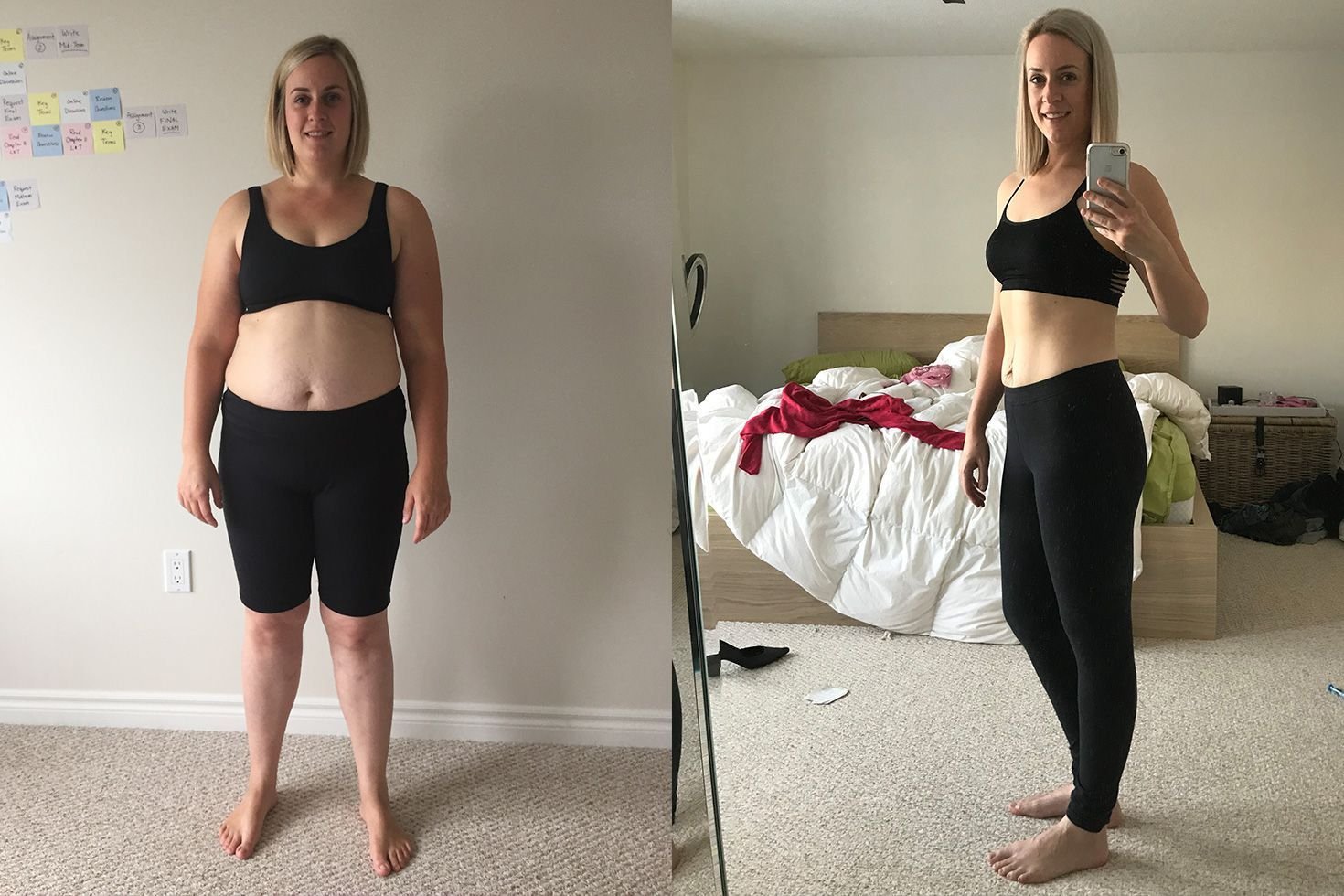
The Truth: While dynamic styles like Vinyasa or Ashtanga can aid weight management by building muscle and reducing stress (which curbs overeating), yoga isn’t a high-calorie torching activity. A Journal of Physical Activity and Health study notes its benefits for mindful eating and body awareness, leading to indirect weight benefits.
Who It Affects: Those seeking rapid results.
Tip: Pair yoga with cardio and balanced nutrition for holistic wellness.
Myth 4: Yoga Is a Religion
People sometimes worry that practicing yoga means adopting Hinduism or spiritual beliefs.

The Truth: Yoga is a philosophical system from ancient India with spiritual elements (like meditation), but physical yoga (asanas) is secular. You can practice without any religious affiliation—many do it purely for fitness. Organizations like Yoga Alliance emphasize its non-religious nature.
Who It Affects: Those concerned about faith conflicts.
Tip: Choose secular classes focused on breath and movement.
Myth 5: Yoga Is Dangerous and Causes Injuries
Stories of strains or worsens existing issues scare potential practitioners.

The Truth: Like any physical activity, improper form can lead to injury, but yoga is generally safe when taught by qualified instructors. A Sports Medicine review found injury rates lower than in running or gym workouts. Props and modifications make it therapeutic.
Who It Affects: People with pre-existing conditions.
Tip: Inform instructors of injuries and start slow.
Myth 6: Yoga Is Only for Women
Tied to Myth 2, many men skip yoga thinking it’s “not masculine.”

The Truth: Historical yogis were predominantly male, and today, styles like Ashtanga attract athletes for recovery and power. Pro athletes in sports like basketball incorporate it.
Who It Affects: Men avoiding “feminine” activities.
Tip: Try power yoga or sports-focused classes.
Myth 7: You Need Fancy Equipment or a Studio
Yoga seems expensive with branded mats, clothes, and studio fees.

The Truth: Basics require nothing but comfortable clothes and space. Free apps and YouTube offer guided sessions.
Who It Affects: Budget-conscious beginners.
Tip: Start at home with free resources.
Myth 8: Yoga Takes Too Much Time
Busy schedules make long classes seem impractical.

The Truth: Benefits accrue from just 10–20 minutes daily. Research in Evidence-Based Complementary and Alternative Medicine supports short practices for stress reduction.
Who It Affects: Time-strapped individuals.
Tip: Incorporate quick flows into your routine.
Myth 9: Yoga Isn't a Real Workout
Some dismiss it as “just stretching.”
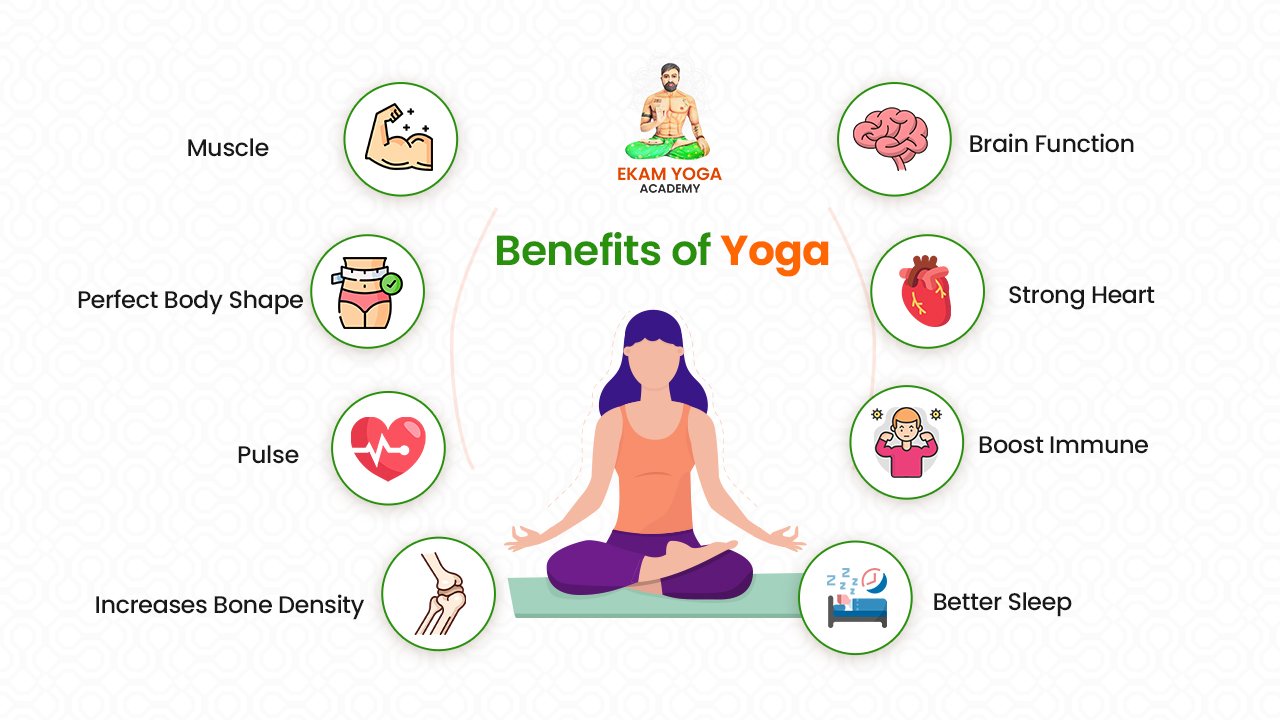
The Truth: Vigorous styles build strength, endurance, and cardio. It complements other exercises effectively.
Who It Affects: Fitness enthusiasts seeking intensity.
Tip: Explore Ashtanga or hot yoga for a challenge.
Myth 10: Yoga Is Only for Adults
Kids are too hyper, or seniors too frail—wrong on both counts.

The Truth: Kid-specific and senior classes exist, promoting focus in children and balance in older adults. Programs in schools show benefits for all ages.
Who It Affects: Families or elderly.
Tip: Family yoga sessions for bonding.
Yoga is accessible, safe, and transformative when approached with an open mind. Ditch the myths and roll out your mat—your body and mind will thank you! Have you encountered any of these myths? What’s held you back from yoga, or what’s motivated you to start?