


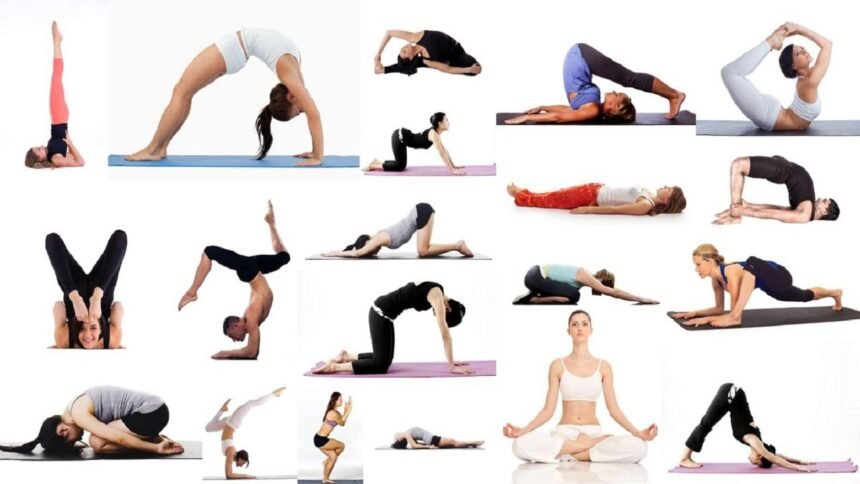
Yoga is an ancient practice originating from India, combining physical postures (asanas), breathing techniques (pranayama), and meditation to promote overall well-being. With so many styles available today, there’s a type of yoga for everyone—whether you’re seeking relaxation, strength, flexibility, or spiritual growth. In this blog post, we’ll dive into some of the most popular types of yoga, explaining their origins, key characteristics, benefits, and who they’re best suited for.
1. Hatha Yoga
Hatha yoga is often considered the foundation of all physical yoga practices. It’s a gentle, traditional style that focuses on basic poses held for several breaths, combined with breathing exercises and meditation.
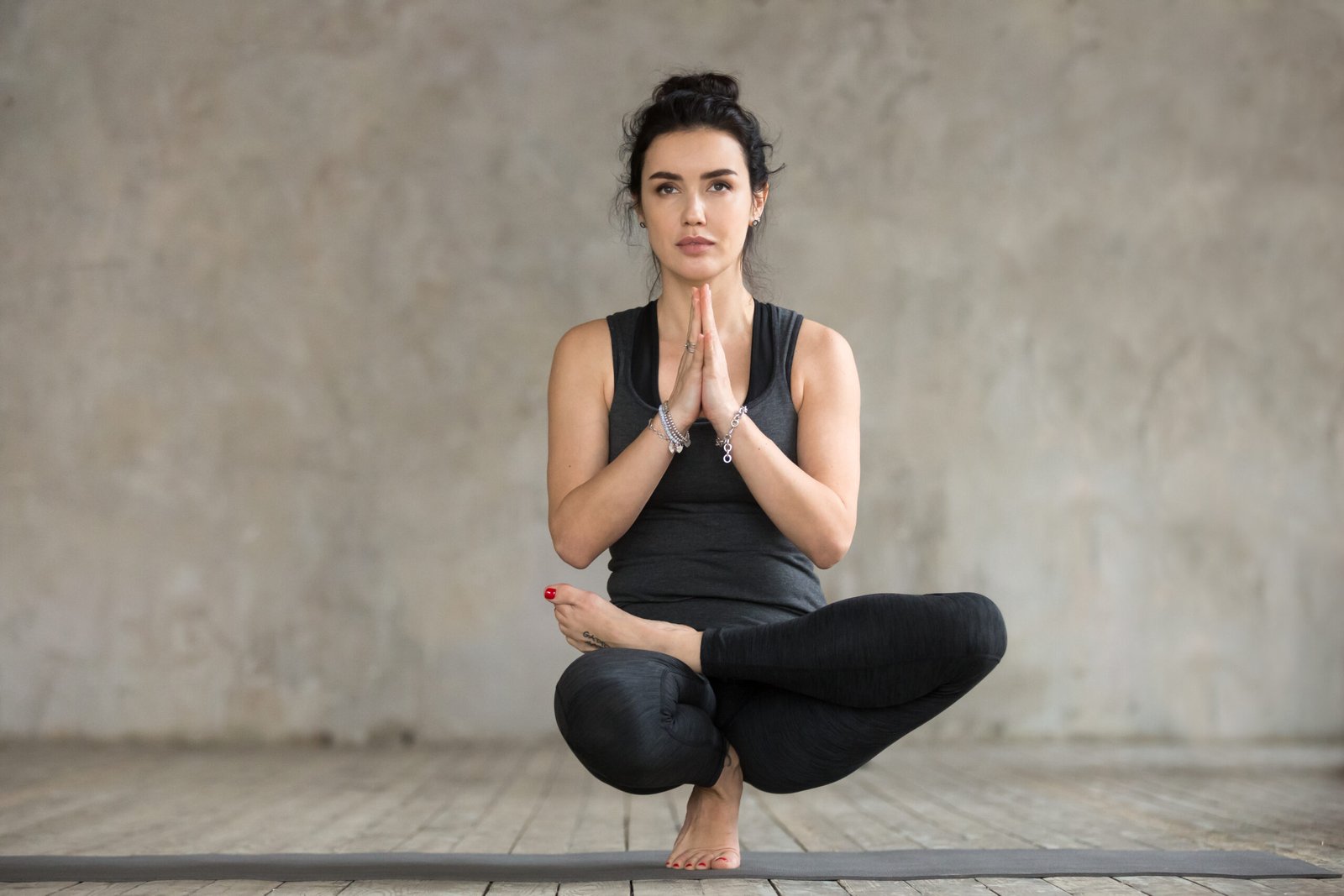
Key features: Slow-paced, emphasis on alignment and balance.
Benefits: Improves flexibility, strength, and stress reduction; great for beginners.
Best for: Those new to yoga or looking for a balanced, non-intense introduction.
2. Vinyasa Yoga
Also known as “flow” yoga, Vinyasa synchronizes movement with breath, creating a dynamic sequence where poses transition smoothly.
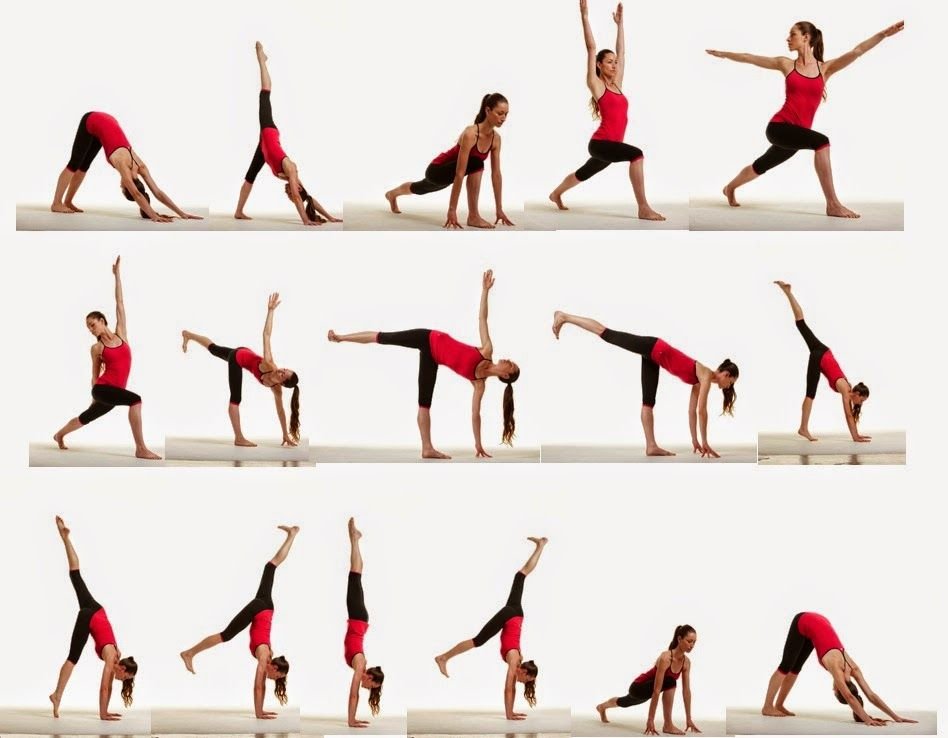
Key features: Creative sequences that vary by teacher; often athletic and energetic.
Benefits: Builds heat in the body, enhances cardiovascular health, and boosts coordination.
Best for: People who enjoy movement and variety, with some yoga experience.
3. Ashtanga Yoga
A rigorous, structured style following a specific sequence of poses, practiced in a set order with synchronized breathing.
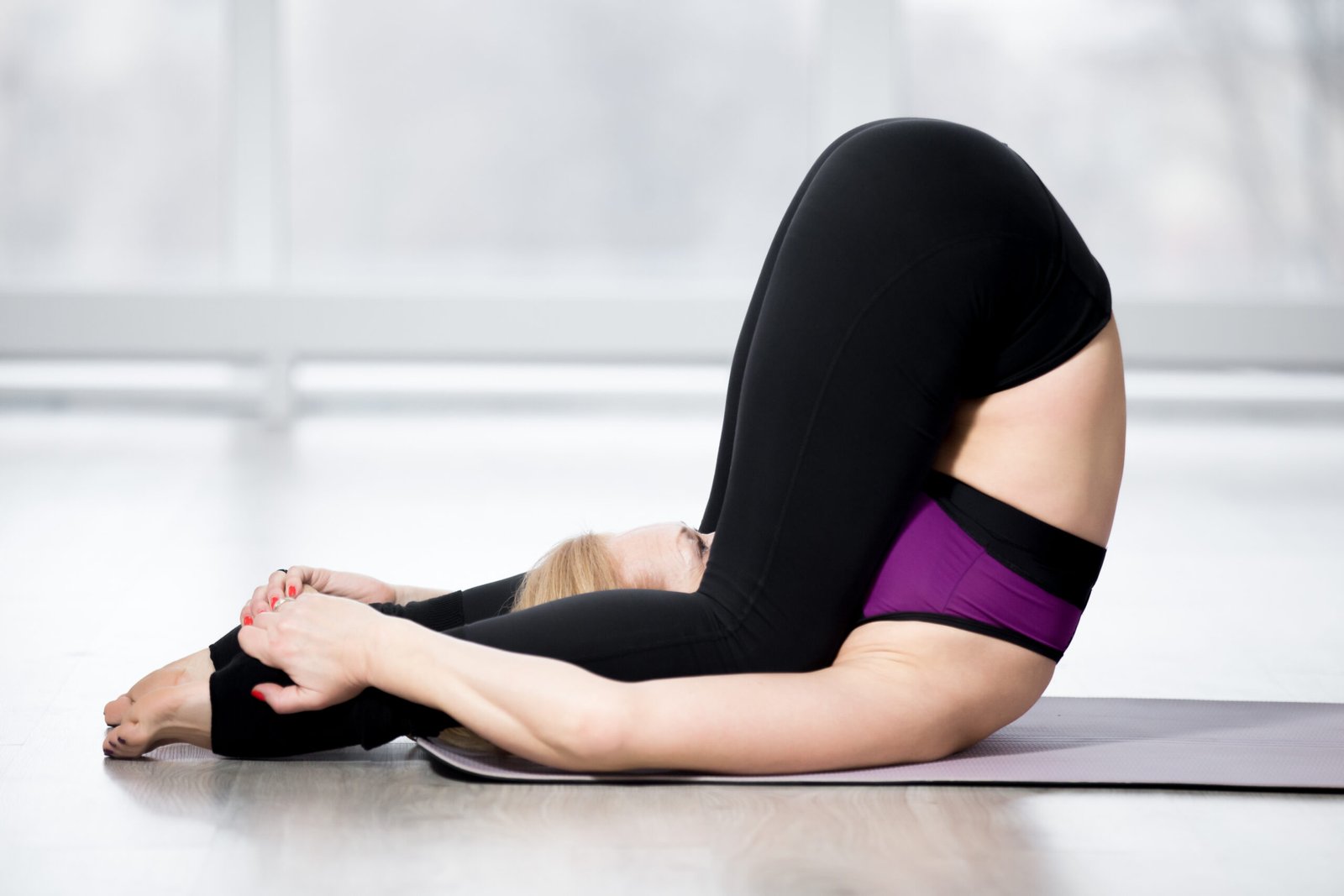
Key features: Physically demanding with six series progressing in difficulty.
Benefits: Increases strength, stamina, and detoxification through sweat.
Best for: Disciplined practitioners seeking a workout-like experience.
4. Iyengar Yoga
This precise style emphasizes alignment and often uses props like blocks, straps, and blankets to achieve perfect form.
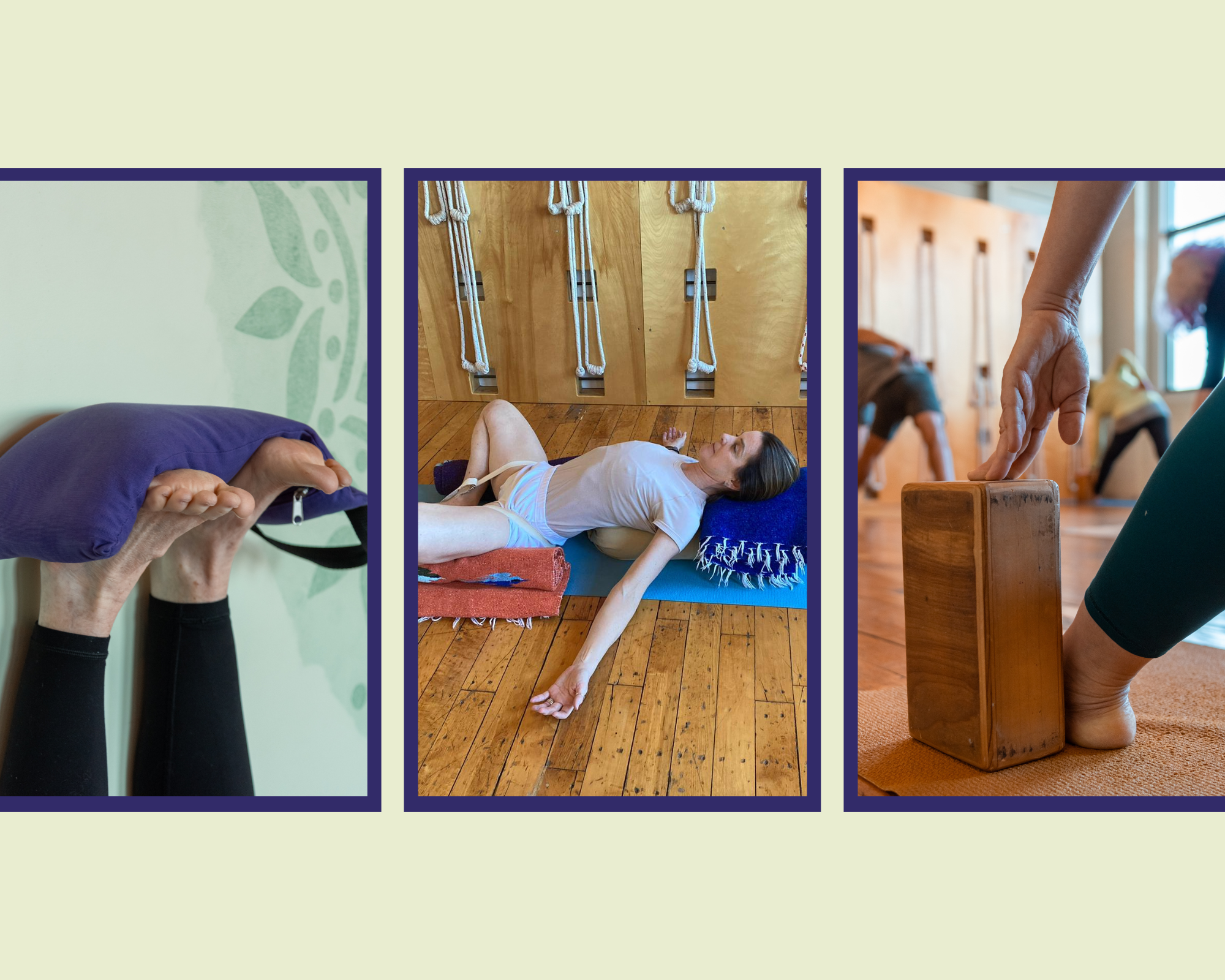
Key features: Long holds in poses with detailed instructions.
Benefits: Improves posture, stability, and therapeutic for injuries.
Best for: Detail-oriented individuals or those recovering from injuries.
5. Bikram (Hot) Yoga
Practiced in a heated room (around 105°F/40°C), Bikram follows a fixed sequence of 26 poses and two breathing exercises.
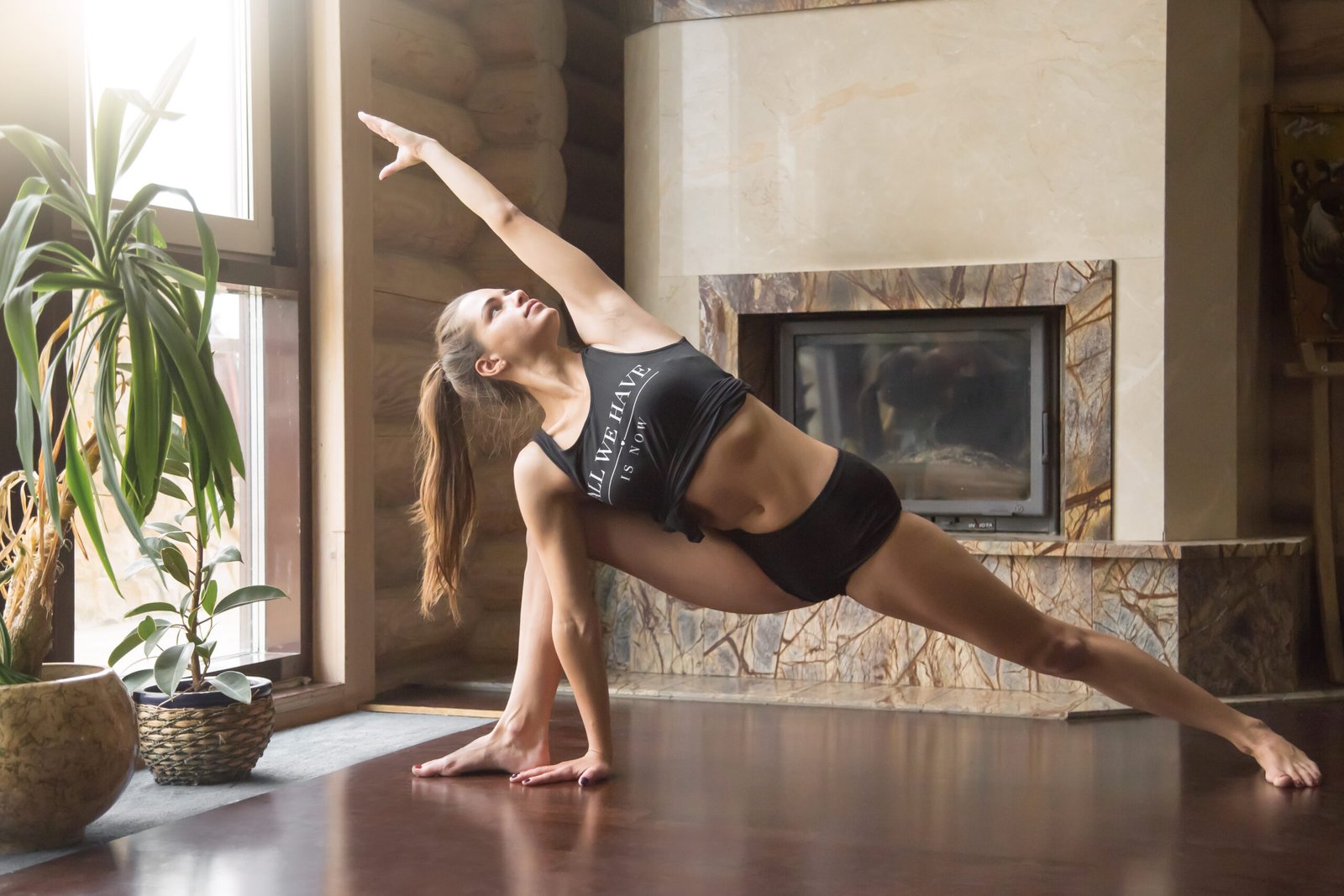
Key features: 90-minute classes in high heat and humidity.
Benefits: Enhances flexibility, detoxification, and endurance.
Best for: Those who thrive in heat and want a challenging, consistent routine.
6. Yin Yoga
A slow-paced style where poses are held for 3–5 minutes or longer, targeting deep connective tissues.
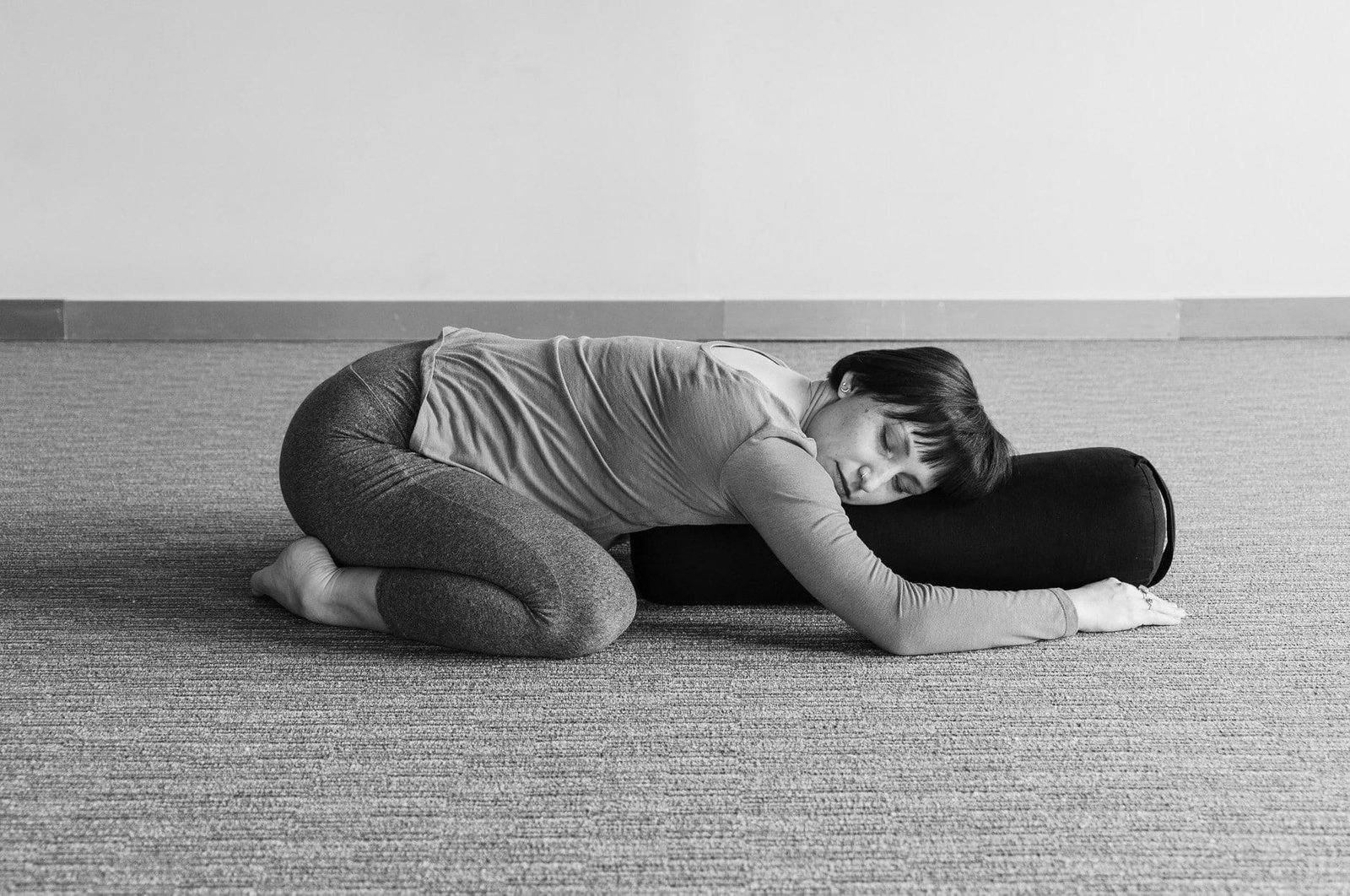
Key features: Mostly floor-based, passive holds.
Benefits: Increases flexibility in joints, reduces stress, and promotes mindfulness.
Best for: Anyone needing deep relaxation or recovery.
7. Restorative Yoga
Fully passive and relaxing, using props to support the body in poses held for extended periods.
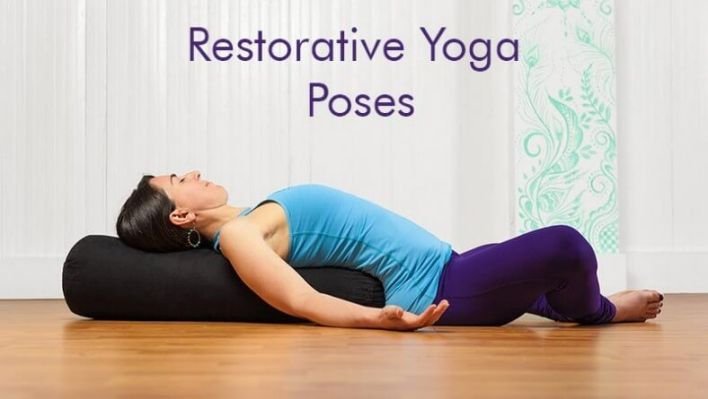
Key features: Few poses per class, focused on rest.
Benefits: Activates the parasympathetic nervous system, aids sleep and healing.
Best for: Stress relief, recovery from illness, or burnout.
8. Kundalini Yoga
Known as the “yoga of awareness,” it incorporates dynamic breathing, chanting, meditation, and poses to awaken energy.
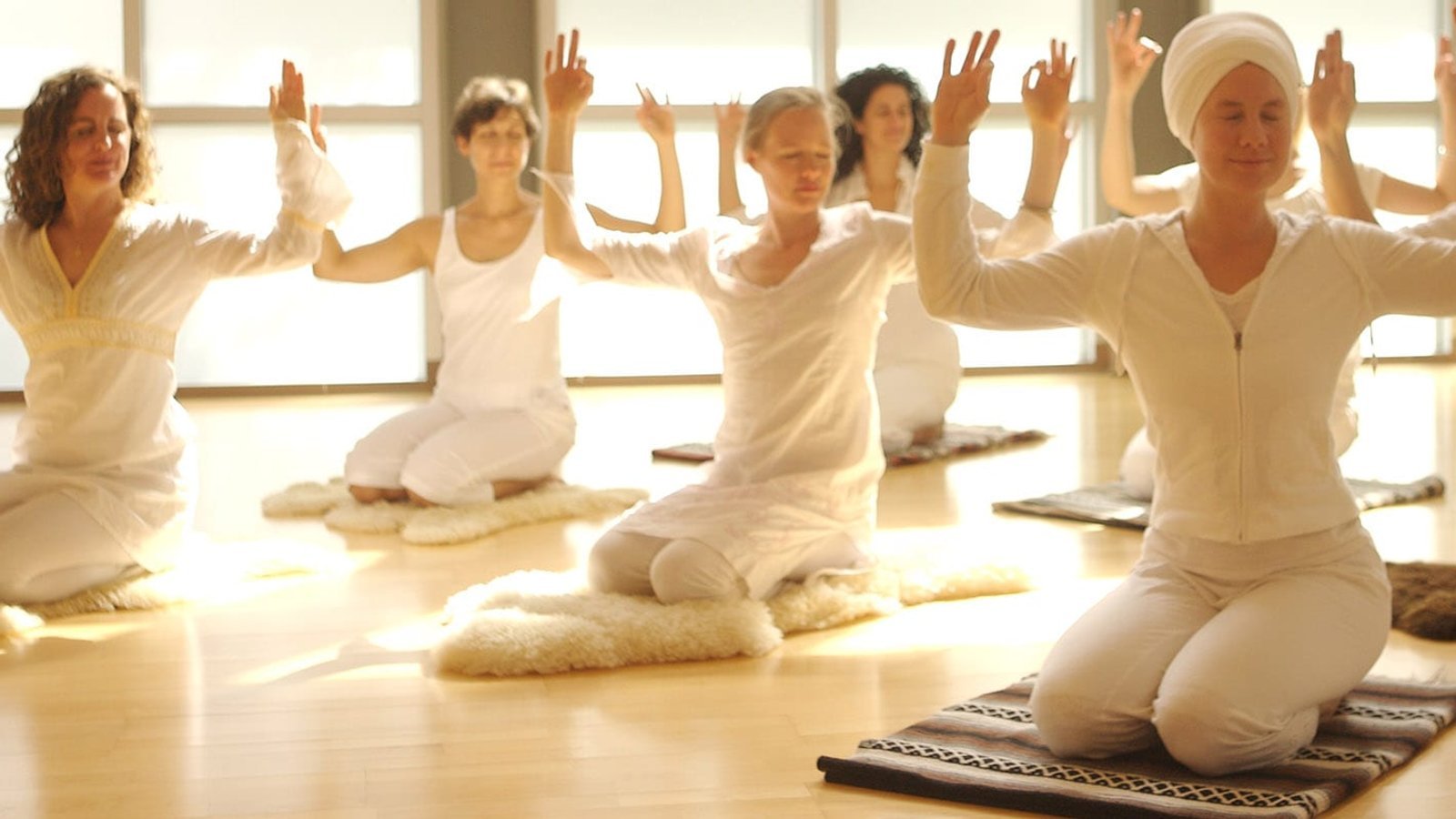
Key features: Repetitive movements (kriyas) and spiritual elements.
Benefits: Boosts energy, enhances mental clarity, and fosters spiritual connection.
Best for: Those interested in the meditative and energetic side of yoga.
9. Prenatal Yoga
Adapted for pregnant women, focusing on safe poses that support pregnancy and prepare for childbirth.
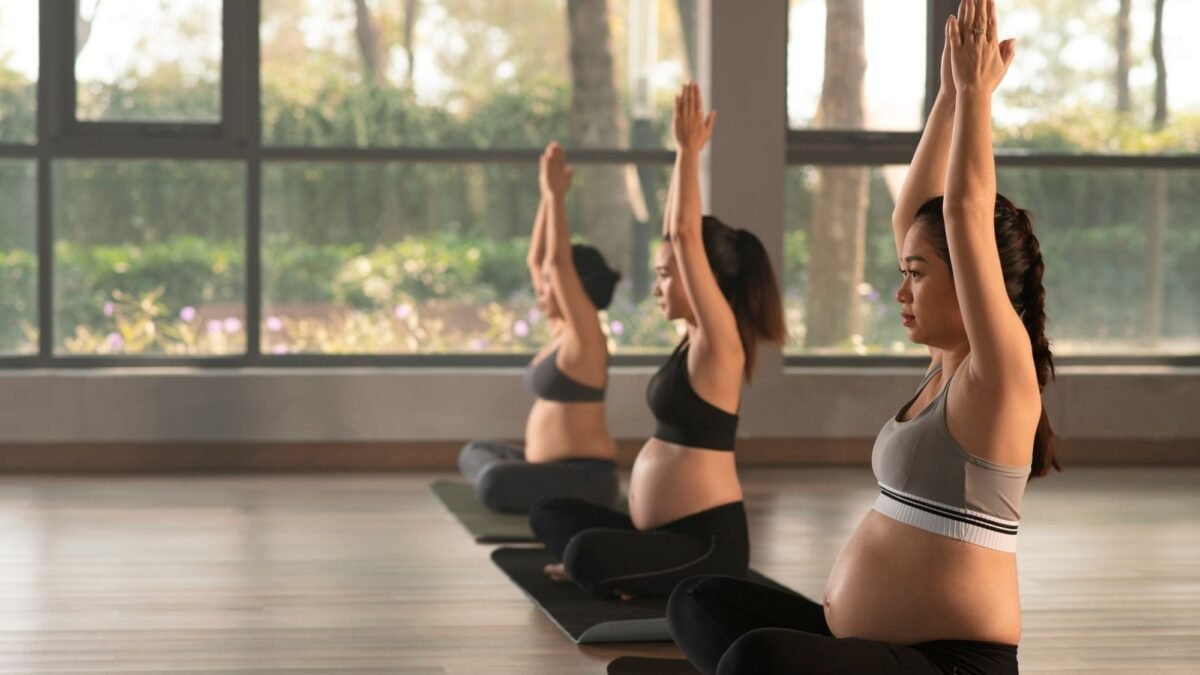
Key features: Gentle modifications, emphasis on breathing and pelvic floor.
Benefits: Reduces pregnancy discomfort, improves mood, and builds strength for labor.
Best for: Pregnant individuals at any stage.
Yoga is highly personal—try different styles to find what resonates with you. Start with beginner-friendly options like Hatha or Restorative, and always listen to your body. Consult a doctor if you have health concerns, and consider attending classes with certified instructors for proper guidance.