


Starting or deepening a yoga practice often comes with questions. Whether you’re a complete beginner or have been practicing for years, it’s normal to wonder about the basics, safety, and what to expect. In this comprehensive FAQ guide, we’ve compiled the most frequently asked questions about yoga, with clear, detailed answers to help you on your journey. Let’s dive in!
1. Do I need to be flexible to start yoga?
No, flexibility is not a prerequisite—it’s one of the outcomes of regular practice!
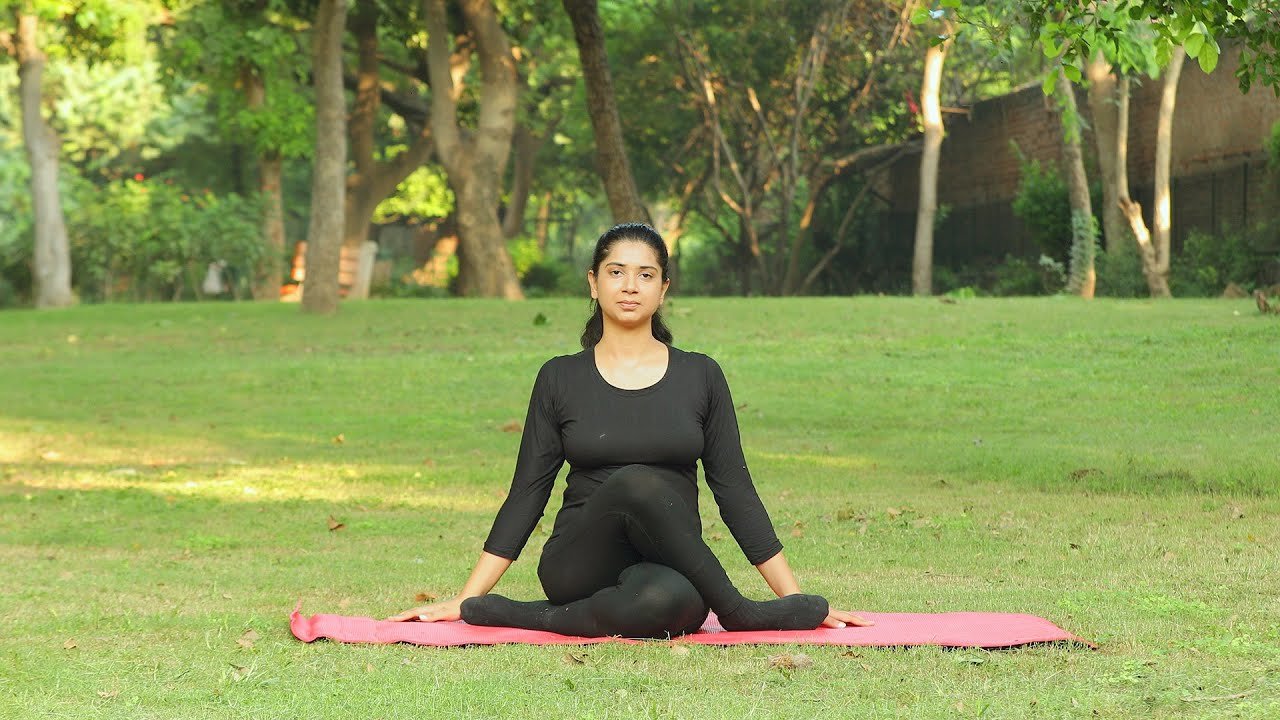
Details: Many people avoid yoga thinking they must already be bendy, but yoga gradually improves range of motion. Start with props like blocks or straps for support. Styles like Hatha or Yin are perfect for beginners.
Tip: Focus on your breath and progress at your own pace—consistency matters more than perfection.
2. How often should I practice yoga?
Even 10–20 minutes a few times a week can make a difference, but aim for consistency over intensity.
Details: Beginners might start with 2–3 sessions per week, building up to daily short practices. Studies show that regular short sessions reduce stress and improve flexibility effectively.
Tip: Incorporate it into your routine, like morning stretches or evening wind-downs.
3. What do I need to start practicing yoga?
Very little—a comfortable space and loose clothing are enough to begin.
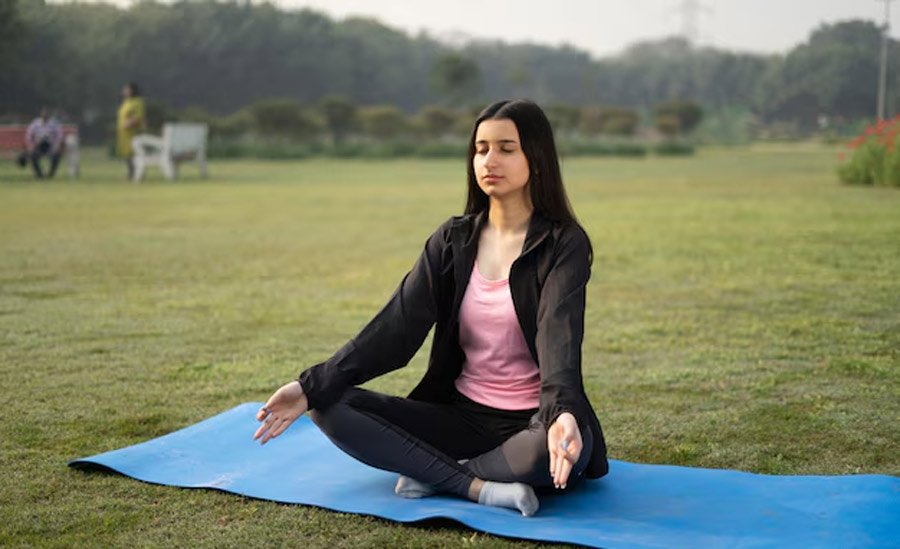
Details: A yoga mat provides grip, while optional props (blocks, straps, bolsters) help with alignment and modifications. No fancy gear required—many practice on a towel or carpet.
Tip: Invest in a non-slip mat once you’re committed; free online videos can guide you.
4. Is yoga safe if I have injuries or health conditions?
Yes, with modifications and guidance, yoga can be therapeutic, but always consult a doctor first.
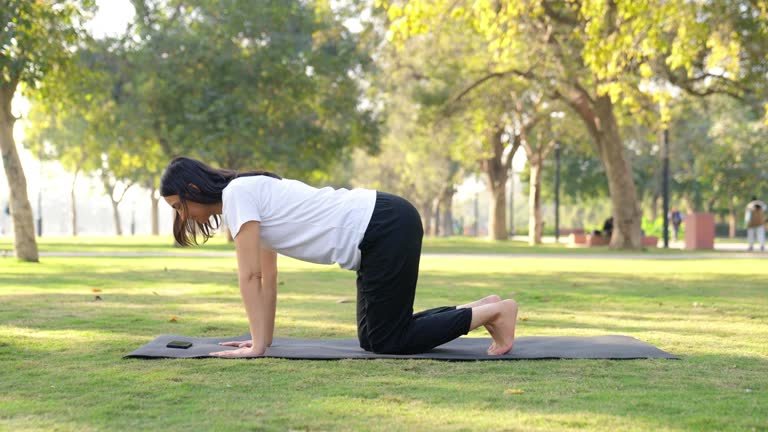
Details: Inform your instructor about any issues (e.g., back pain, knee problems). Styles like Iyengar or Restorative use props for support. Avoid poses that aggravate conditions.
Tip: Seek classes labeled “gentle” or “therapeutic,” and listen to your body—pain is a signal to stop.
5. Can I practice yoga if I'm pregnant?
Absolutely—prenatal yoga is designed specifically for expecting mothers.
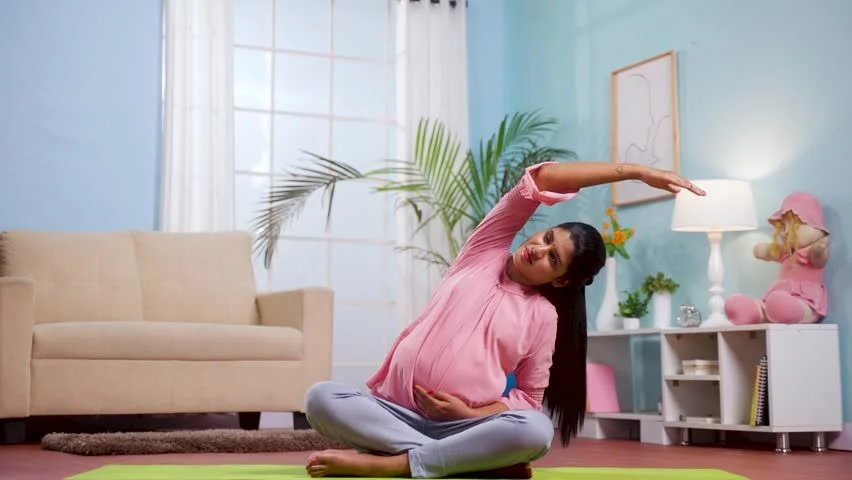
Details: It helps with discomfort, strengthens the body for labor, and reduces stress. Avoid deep twists, lying flat on your back after the first trimester, or hot yoga.
Tip: Join prenatal classes with certified instructors for tailored guidance.
6. Is yoga a good workout?
Yes, depending on the style—it can build strength, endurance, and flexibility.
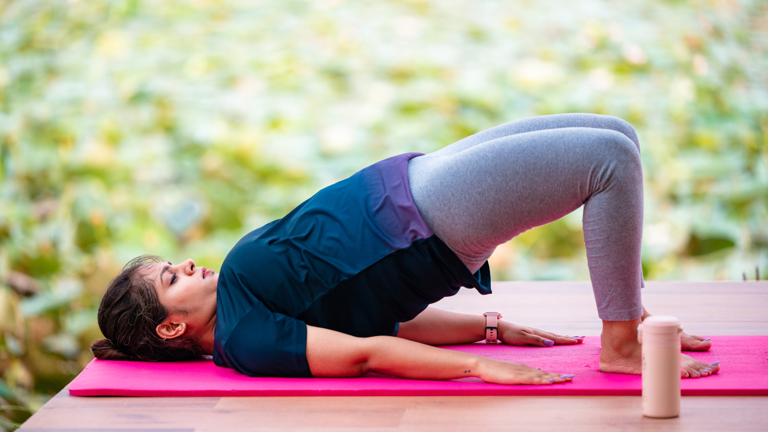
Details: Dynamic styles like Vinyasa or Ashtanga provide cardio and muscle-building benefits, while gentler ones focus on restoration. It’s low-impact and complements other exercises.
Tip: For intensity, try Power or Hot yoga.
7. What's the best type of yoga for beginners?
Hatha or gentle Vinyasa are excellent starting points.
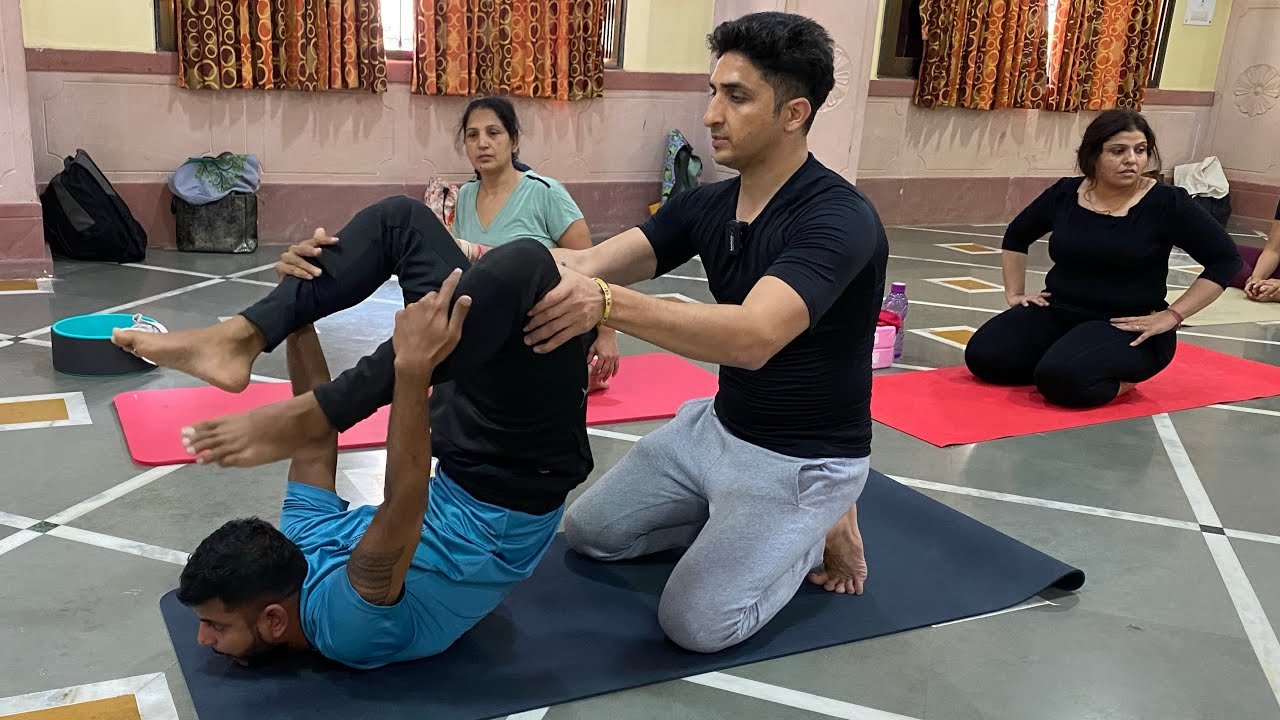
Details: Hatha focuses on basic poses and alignment at a slow pace. It builds a strong foundation without overwhelming you.
Tip: Online platforms like YouTube have free beginner series.
8. Does yoga involve breathing exercises?
Yes, pranayama (breath control) is a core component.
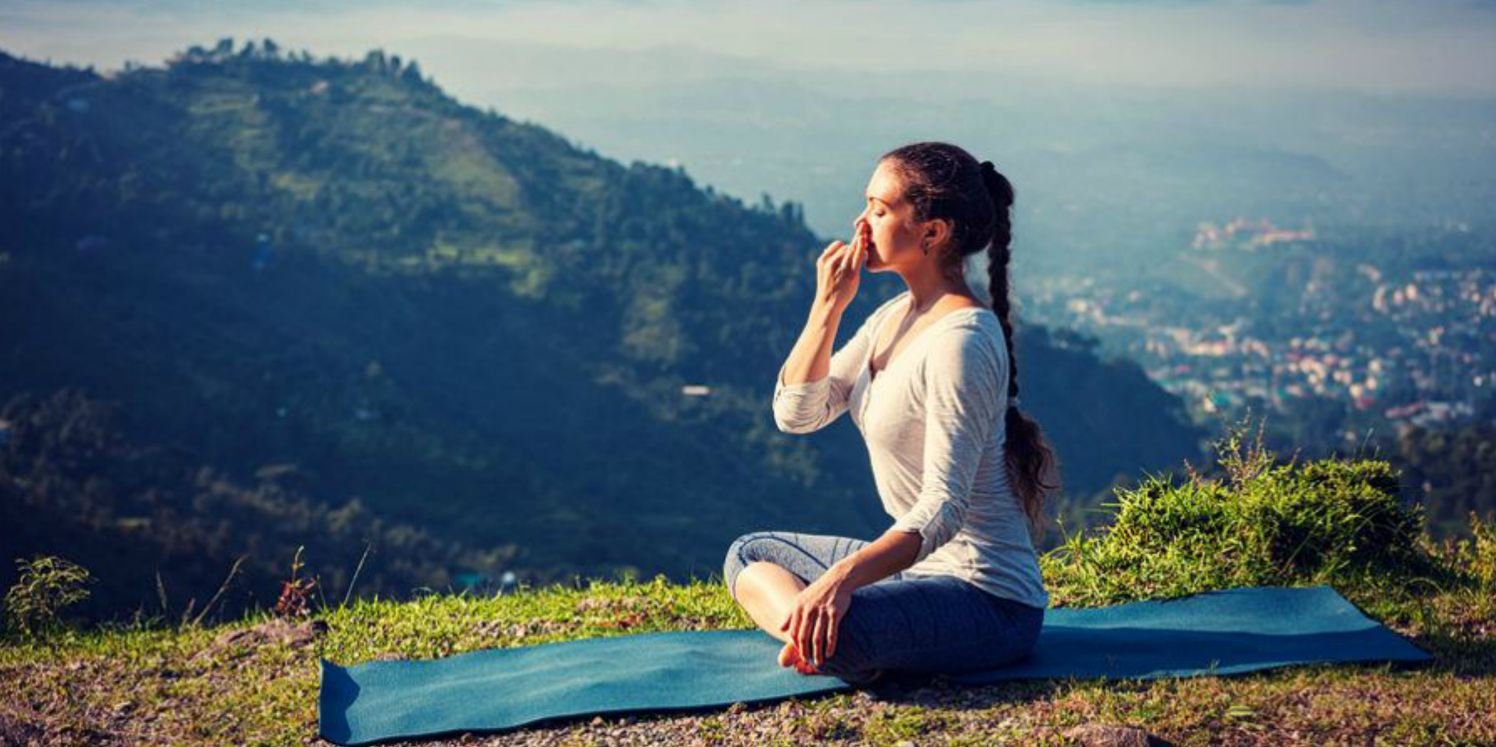
Details: Techniques like Ujjayi or alternate nostril breathing calm the mind, increase oxygen flow, and link movement with breath.
Tip: Start simple—focus on deep belly breathing during poses.
9. Is yoga suitable for seniors?
Definitely—chair yoga and gentle styles make it accessible and beneficial.
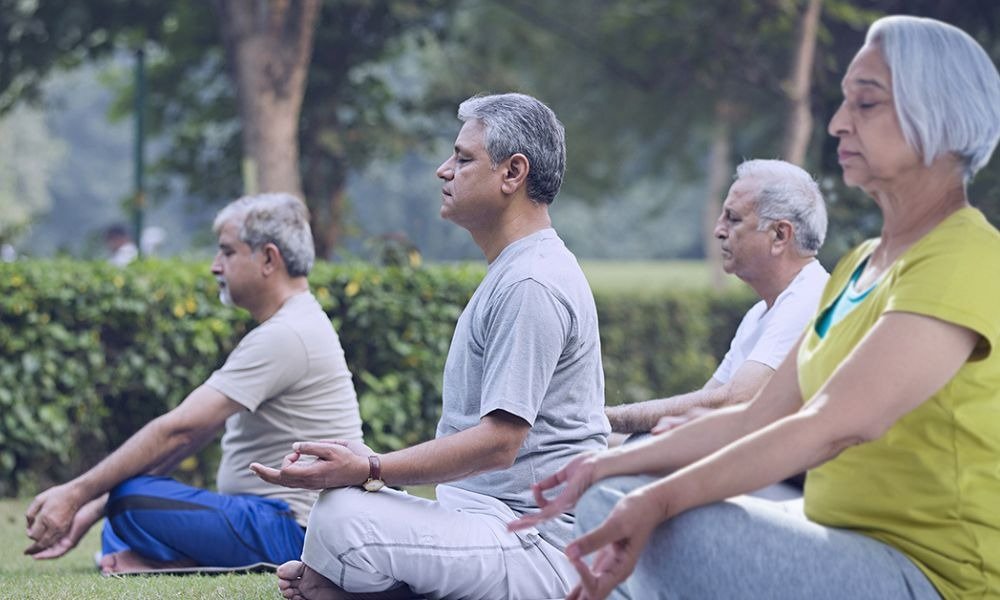
Details: It improves balance, reduces arthritis pain, and enhances mental well-being without floor work.
Tip: Look for senior-specific classes.
10. Can yoga help with stress and mindfulness?
One of yoga’s greatest strengths is promoting mental calm.
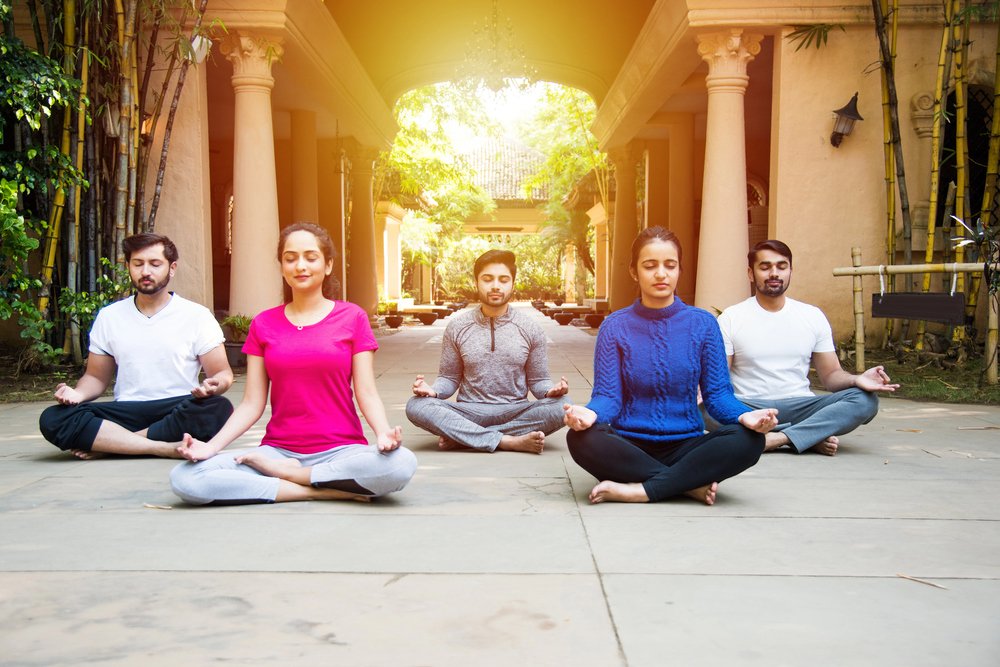
Details: Through meditation, breathwork, and mindful movement, it lowers cortisol and boosts mood. Restorative or Yin styles are particularly effective.
Tip: End sessions with Savasana (corpse pose) for deep relaxation.
Bonus: Is yoga for everyone?
Yes! It’s inclusive across ages, genders, body types, and fitness levels.
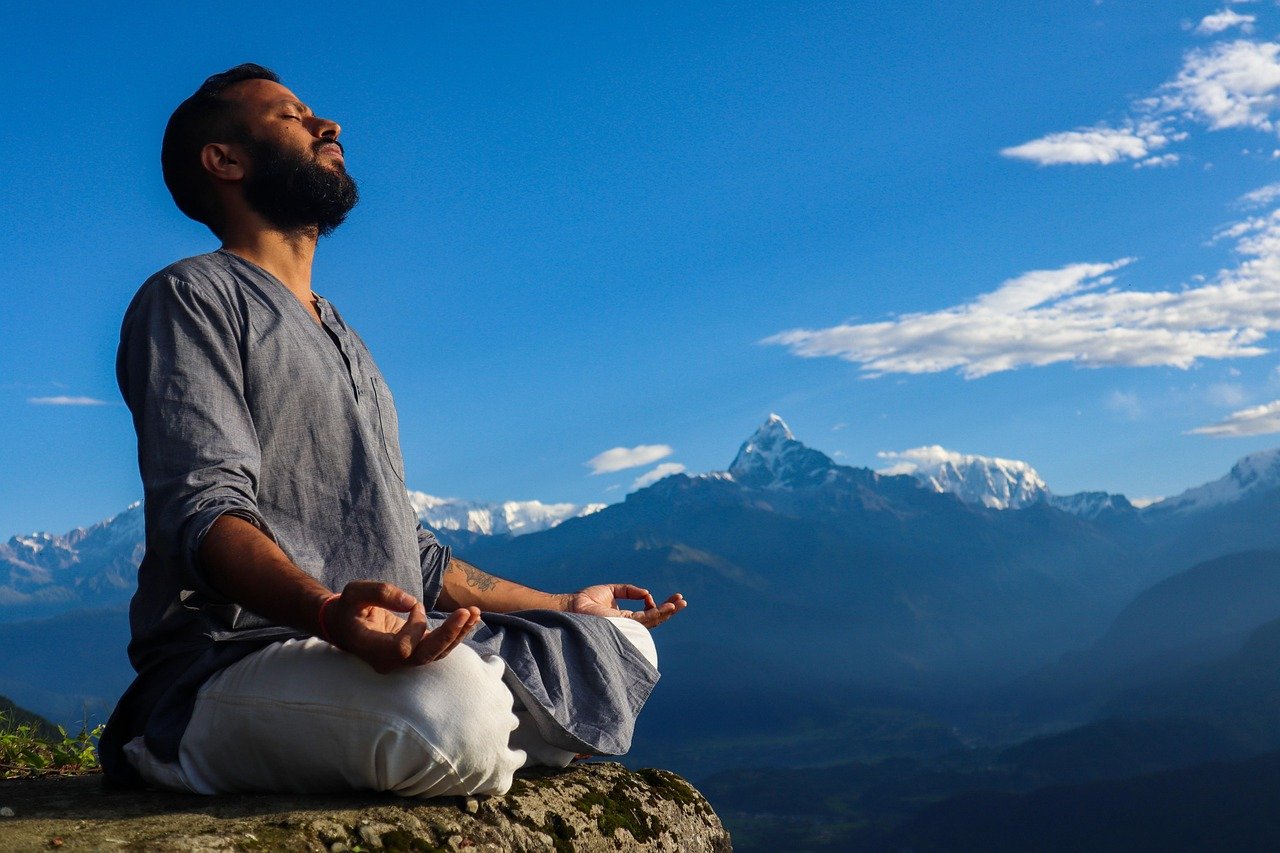
Details: Modifications ensure accessibility—yoga meets you where you are.
Yoga is a personal journey—start where you are, be patient, and enjoy the process. If you have more questions, consult a certified instructor or drop them in the comments below! What’s your biggest yoga question?