

gethealthtipsgethealthtipsgethealthtips
  • Home
  • Diseases
    • The Health of Men
    • The Health of Women
    • Health of Children
    • Heart Health
    • Diabetes
    • Cancer
  • Alternative Medicine
    • Body and Mind
    • Home Treatments
    • Ayurveda
  • Mental Wellness
    • Conditions of Disease
    • Stress, Depression, and Anxiety
    • Tips for Wellbeing
  • Nutrition and Exercise
    • A nutritious diet
    • Controlling Weight
    • Workout Fitness
    • Yoga
  • Fruits & Dryfruits
  • New To Yoga
    • What is Yoga?
    • History of Yoga
    • Yoga Types
    • Advantages of Yoga
    • Myths Regarding Yoga
    • FAQs for Yoga
Notification Show More
Font ResizerAa
gethealthtipsgethealthtips
Font ResizerAa
  • Home
  • Diseases
  • Alternative Medicine
  • Mental Wellness
  • Nutrition and Exercise
  • Fruits & Dryfruits
  • New To Yoga
  • Home
  • Diseases
    • The Health of Men
    • The Health of Women
    • Health of Children
    • Heart Health
    • Diabetes
    • Cancer
  • Alternative Medicine
    • Body and Mind
    • Home Treatments
    • Ayurveda
  • Mental Wellness
    • Conditions of Disease
    • Stress, Depression, and Anxiety
    • Tips for Wellbeing
  • Nutrition and Exercise
    • A nutritious diet
    • Controlling Weight
    • Workout Fitness
    • Yoga
  • Fruits & Dryfruits
  • New To Yoga
    • What is Yoga?
    • History of Yoga
    • Yoga Types
    • Advantages of Yoga
    • Myths Regarding Yoga
    • FAQs for Yoga
Follow US
gethealthtips > Blog > New to Yoga > The History of Yoga: From Ancient Origins to Modern Practice
New to Yoga

The History of Yoga: From Ancient Origins to Modern Practice

Explore the history of yoga, from its ancient origins in India to its evolution into a global practice for physical, mental, and spiritual well-being.

dskhalas88
Last updated: December 16, 2025 6:57 am
Share
4 Min Read
SHARE

Yoga, derived from the Sanskrit root “yuj” meaning “to yoke” or “to unite,” represents the union of body, mind, and spirit. This ancient discipline originated in India and has evolved over thousands of years from spiritual rituals to a global wellness practice. Today, yoga encompasses physical postures (asanas), breath control (pranayama), meditation, and ethical guidelines, benefiting millions worldwide for health, stress relief, and self-awareness.

Contents
Ancient Origins: Pre-Vedic and Vedic Periods (c. 3000–1500 BCE)Pre-Classical Yoga: Upanishads and Bhagavad Gita (c. 800–200 BCE)Classical Yoga: Patanjali's Yoga Sutras (c. 200 BCE–400 CE)Post-Classical and Medieval Yoga: Hatha Yoga (c. 900–1800 CE)Modern Yoga: Revival and Global Spread (Late 19th–20th Century)Yoga Today

Ancient Origins: Pre-Vedic and Vedic Periods (c. 3000–1500 BCE)
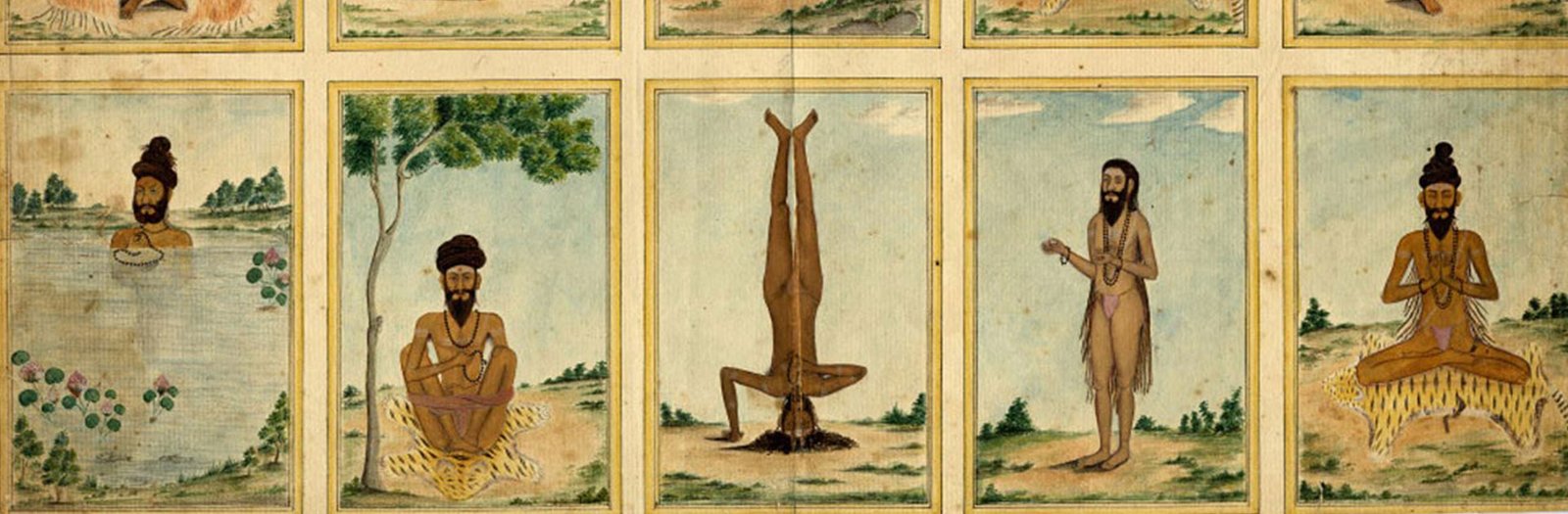
The earliest evidence of yoga-like practices dates back to the Indus Valley Civilization (around 3300–1300 BCE) in northern India and present-day Pakistan. Archaeological discoveries, including seals from sites like Mohenjo-Daro, depict figures in meditative postures resembling modern yoga poses.

These artifacts suggest early contemplative or ritualistic practices, though interpretations remain debated among scholars.

The Vedic Period (c. 1500–500 BCE) marks the first textual references to yoga in the Rig Veda, one of the oldest sacred texts. Here, yoga is linked to rituals, mantras, and spiritual discipline, laying the foundation for inner exploration.

Pre-Classical Yoga: Upanishads and Bhagavad Gita (c. 800–200 BCE)

Yoga’s philosophical depth emerged in the Upanishads, esoteric texts exploring the nature of the self (Atman) and ultimate reality (Brahman). Meditation and breath control became tools for self-realization.

The Bhagavad Gita (c. 200 BCE), part of the epic Mahabharata, popularized yoga through Lord Krishna’s teachings to Arjuna. It outlines paths like Karma Yoga (action), Bhakti Yoga (devotion), Jnana Yoga (knowledge), and Raja Yoga (meditation), emphasizing equanimity and selfless service.

Classical Yoga: Patanjali's Yoga Sutras (c. 200 BCE–400 CE)
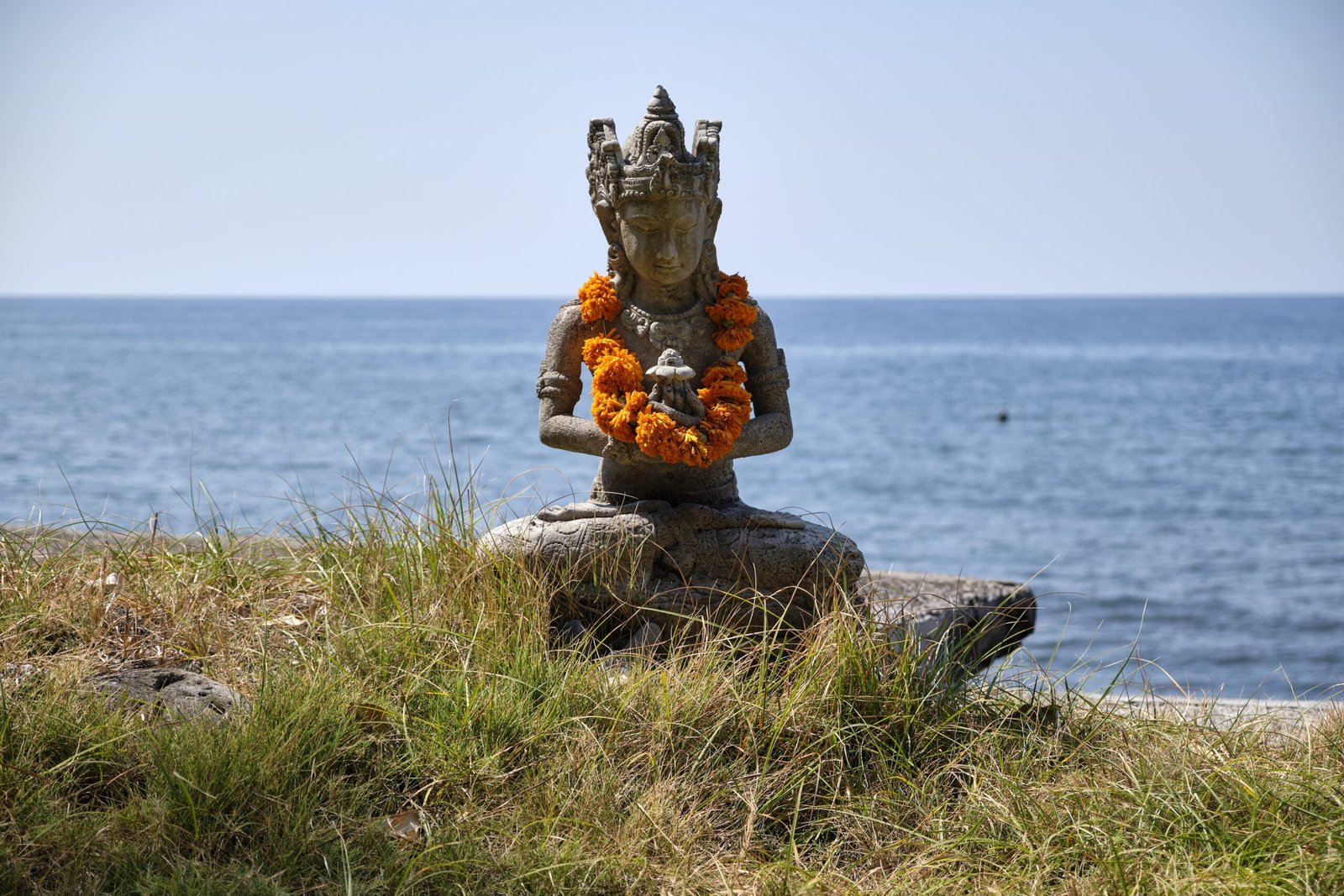
Sage Patanjali systematized yoga in the Yoga Sutras, a collection of 196 aphorisms defining yoga as “the cessation of the fluctuations of the mind.” This text outlines the Eight Limbs (Ashtanga): ethical restraints (Yamas), observances (Niyamas), postures (Asana), breath control (Pranayama), sensory withdrawal (Pratyahara), concentration (Dharana), meditation (Dhyana), and enlightenment (Samadhi).

Patanjali’s work, influenced by Samkhya philosophy, established classical yoga as a path to liberation (moksha).

Post-Classical and Medieval Yoga: Hatha Yoga (c. 900–1800 CE)

Post-classical yoga shifted toward physical techniques for longevity and spiritual awakening. Tantric influences introduced energy work, chakras, and kundalini.

Hatha Yoga, meaning “forceful” yoga, emerged around the 11th century in Natha traditions founded by sages like Matsyendranath and Gorakshanath. Key texts include the Hatha Yoga Pradipika (15th century) by Svatmarama, focusing on purification, postures, breath, and mudras to balance sun (ha) and moon (tha) energies.

Hatha practices prepared the body for meditation, contrasting earlier mental focus.

Modern Yoga: Revival and Global Spread (Late 19th–20th Century)

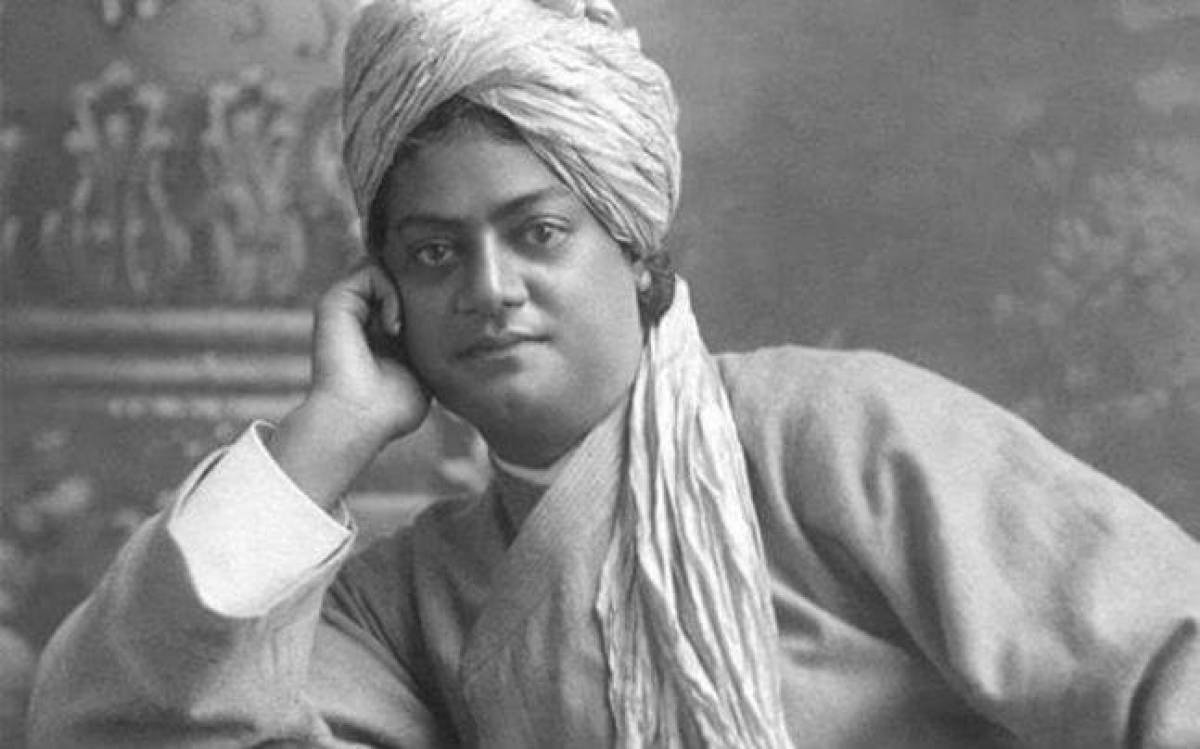
In the late 1800s, yoga resurged amid colonial India. Swami Vivekananda introduced Raja Yoga to the West at the 1893 Parliament of the World’s Religions in Chicago, emphasizing its universal spiritual aspects in his book Raja Yoga.
Tirumalai Krishnamacharya (1888–1989), the “father of modern yoga,” revived Hatha practices. Teaching in Mysore and Madras, he adapted yoga for individuals, influencing students like B.K.S. Iyengar (alignment-focused), Pattabhi Jois (Ashtanga Vinyasa), and his son T.K.V. Desikachar (Viniyoga).

These lineages popularized dynamic, posture-based yoga globally in the 20th century, blending tradition with fitness and therapeutics.

Yoga Today

Modern yoga often emphasizes asanas and flow sequences in group classes, supported by scientific evidence for benefits like reduced stress and improved flexibility.

While some practices diverge from ancient spiritual roots, yoga’s core—union and mindfulness—endures, adapting to contemporary needs.

Yoga’s journey reflects humanity’s quest for balance and enlightenment. Whether for physical health or deeper self-inquiry, its timeless wisdom continues to inspire.

TAGGED:The History of Yoga
Share This Article
Facebook Copy Link
Leave a Comment Leave a Comment

Leave a Reply Cancel reply

Your email address will not be published. Required fields are marked *

Recipe Rating


Fast Four Quiz: Precision Medicine in Cancer

How much do you know about precision medicine in cancer? Test your knowledge with this quick quiz.
Get Started
Are You Losing This Brain Booster? Is Groundnut Oil It?

In a world buzzing with nootropic supplements and brain-boosting hacks, sometimes the…

Is It Possible to Increase Fitness by Coordinating Your Exercises With Your Menstrual Cycle? An Expert Describes

Can syncing your workouts with your menstrual cycle boost fitness results? Dr.…

An expert reveals six undiscovered health benefits of poppies for women.

Poppy seeds, derived from the Papaver somniferum plant, are tiny nutritional powerhouses…

Do Eating Disorders and Perimenopause Have a Connection?

Perimenopause, the transitional phase leading to menopause, brings a cascade of hormonal,…

Your one-stop resource for medical news and education.

Your one-stop resource for medical news and education.
Sign Up for Free
gethealthtips
Facebook X-twitter Youtube Instagram
Useful Link
  • Pages
  • Blog
  • Home
  • Diseases
  • Alternative Medicine
  • Mental Wellness
  • Nutrition and Exercise
  • Privacy Policy
  • Terms and Conditions
Categories
  • Workout Fitness
  • Home Treatments
  • Ayurveda
  • Conditions of Disease
  • Stress Depression Anxiety
  • Tips for Wellbeing
  • Nutritious Diet
  • Control Weight
  • Diabetes
  • Yoga
  • Fruits
  • Women's Health
  • Children's Health
  • Men's Health
  • Heart Health
  • Cancer

Sign Up For Free

Subscribe to our newsletter and don't miss out on our programs, webinars and trainings.

Join Community

Copyright ©2025 GetHealthTips. All rights reserved. Made by Pari Technology 

Made by Pari Technology 

Welcome Back!

Sign in to your account

Username or Email Address
Password

Lost your password?