


Ayurveda emphasizes both internal and external therapies to restore balance in the body. Lepa is a classical external Ayurvedic formulation applied directly to the skin for localized treatment. It is especially effective in managing skin disorders, inflammation, pain, swelling, and wounds. Due to its direct application, Lepa provides quick and targeted relief.
What Is Lepa in Ayurveda?
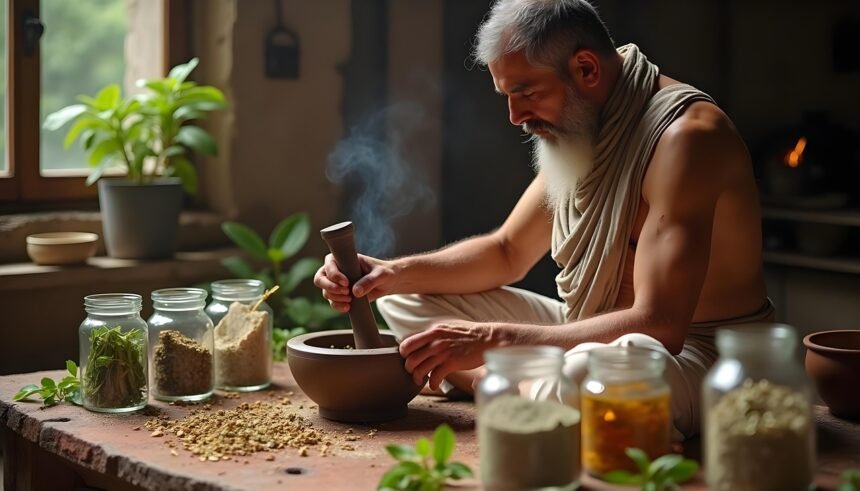
Lepa refers to a medicated herbal paste prepared by mixing powdered herbs with suitable liquids such as water, milk, ghee, oil, or herbal decoctions. It is applied externally over the affected area for therapeutic benefits.
- External-use formulation
- Paste-like consistency
- Fast local action
- Natural and chemical-free
- Short-term therapeutic application
Importance of Lepa in Classical Ayurveda
Lepa therapy is described in ancient texts like:
- Charaka Samhita
- Sushruta Samhita
- Ashtanga Hridaya
Types of Lepa in Ayurveda
Ayurveda broadly classifies Lepa into three types:
1. Pralepa
- Thin application
- Cooling effect
- Used in burning sensation and inflammation
2. Alepa
- Medium thickness
- Balances Doshas
- Commonly used for pain and skin issues
3. Upanaha
- Thick application
- Warm and nourishing
- Used in joint pain, stiffness, and swelling
How Lepa Is Prepared
The preparation of Lepa involves:
- Selecting required medicinal herbs
- Grinding herbs into fine powder
- Mixing with suitable liquid (Anupana)
- Preparing a smooth paste
- Applying fresh on the affected area
Common Lepa Formulations & Their Uses
1. Chandana Lepa
- Cooling and soothing
- Useful in burning sensation and skin irritation
2. Haridra Lepa
- Anti-inflammatory and antiseptic
- Helpful in wounds and acne
3. Dashanga Lepa
- Reduces pain and swelling
- Useful in inflammatory conditions
4. Manjishtha Lepa
- Improves skin complexion
- Helpful in pigmentation disorders
5. Multani Mitti Lepa
- Absorbs excess oil
- Useful in acne and oily skin
Health Benefits of Lepa
Reduces Pain & Inflammation
Acts directly on the affected area to relieve swelling and discomfort.
Improves Skin Health
Cleanses skin, improves texture, and promotes healing.
Enhances Local Circulation
Improves blood flow to the affected area.
Detoxifies Skin
Draws out toxins and impurities.
Fast & Targeted Action
Provides quicker relief compared to internal medicines for localized issues.
Method of Application
- Clean the affected area
- Apply Lepa evenly in the opposite direction of hair growth
- Keep it until semi-dry (not fully dry)
- Wash with lukewarm water
- Frequency: 1–2 times daily or as advised
Precautions & Side Effects
- Avoid application over open wounds unless prescribed
- Do not allow Lepa to dry completely
- Perform patch test before use
- Discontinue if irritation occurs
- Avoid use during fever or chills without advice
Difference Between Lepa and Other External Therapies
| Therapy | Form | Usage | Best For |
|---|---|---|---|
| Lepa | Paste | External | Skin & inflammation |
| Taila | Oil | Massage | Vata disorders |
| Udvartana | Powder | Rubbing | Obesity |
| Basti | Liquid | Internal | Detoxification |
Why Lepa Is Still Relevant Today
- Natural alternative to chemical ointments
- Easy to prepare and apply
- Effective for skin and joint problems
- Minimal systemic side effects
Conclusion
Lepa Ayurvedic medicine is a powerful external therapy that offers localized, fast, and effective relief for various skin, inflammatory, and pain-related conditions. Its direct application and natural composition make it a preferred choice in Ayurvedic treatment. When used correctly under expert guidance, Lepa can significantly improve skin health and promote natural healing.