


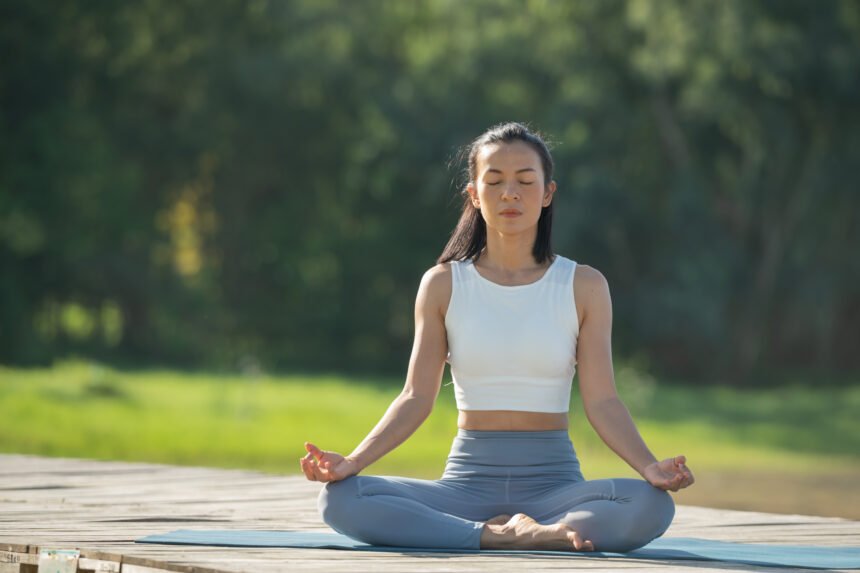
Yoga is an ancient practice that connects the body, mind, and soul. Originating in India thousands of years ago, yoga is much more than physical exercise—it is a holistic way of life that promotes balance, health, and inner peace. Today, yoga is practiced worldwide for its physical, mental, and spiritual benefits.
Meaning of Yoga
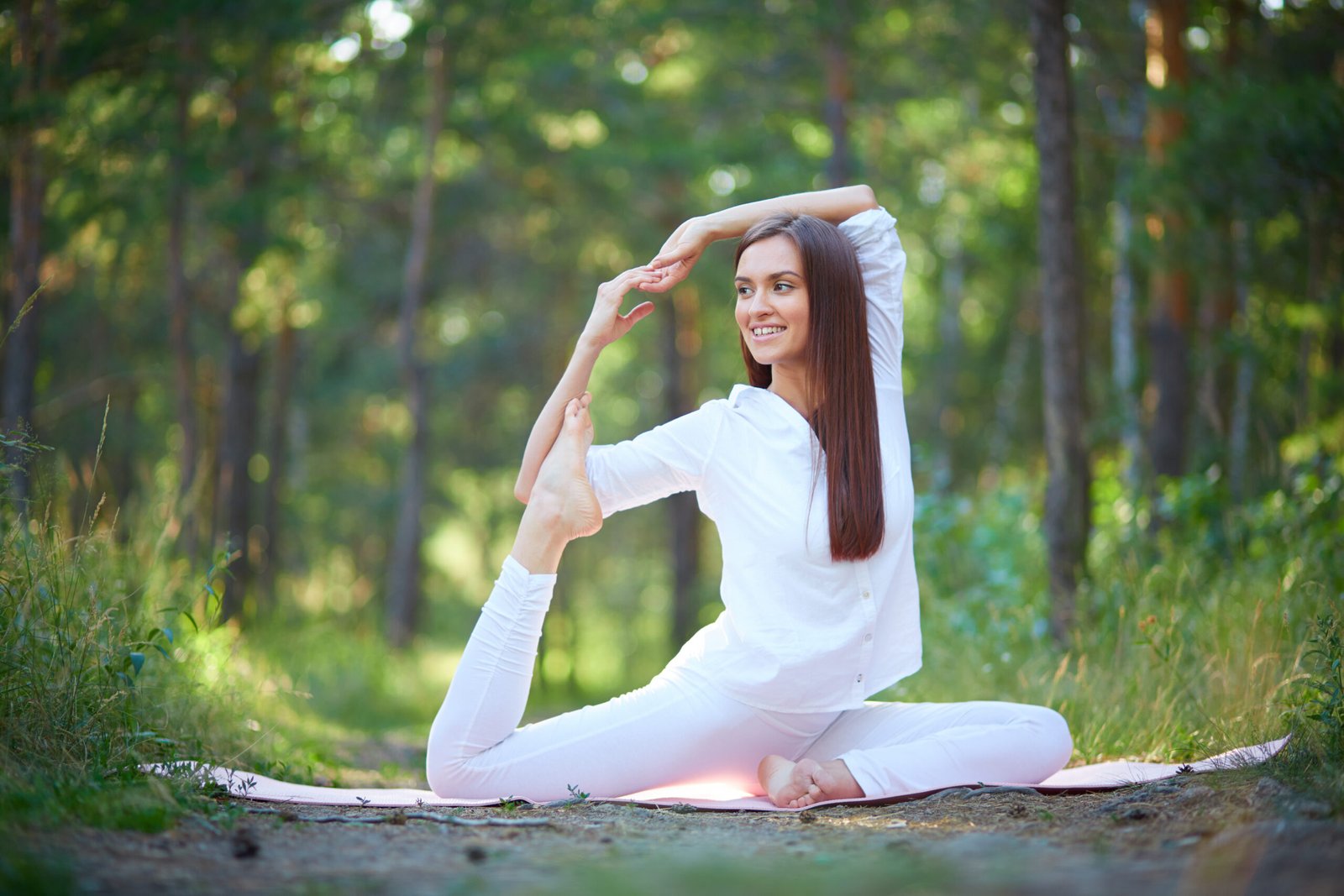
The word Yoga comes from the Sanskrit word “Yuj”, which means to join, unite, or connect. Yoga represents the union of individual consciousness with universal consciousness. In simple terms, yoga is the practice of bringing harmony between the body, mind, and breath.
History and Origin of Yoga
Yoga originated in ancient India over 5,000 years ago. The earliest mentions of yoga are found in sacred texts like the Vedas and Upanishads. Later, the sage Patanjali systematized yoga in the Yoga Sutras, defining the eightfold path of yoga known as Ashtanga Yoga.
Yoga was traditionally practiced as a spiritual discipline, but over time it evolved into various styles that also focus on physical health and mental well-being.
The Eight Limbs of Yoga (Ashtanga Yoga)
According to Patanjali, yoga consists of eight interconnected limbs:
- Yama – Ethical standards and moral discipline
- Niyama – Personal observances and self-discipline
- Asana – Physical postures
- Pranayama – Breathing techniques
- Pratyahara – Withdrawal of senses
- Dharana – Concentration
- Dhyana – Meditation
- Samadhi – State of complete bliss and awareness
These limbs guide practitioners toward a meaningful and balanced life.
Types of Yoga

There are many forms of yoga, each offering unique benefits:
- Hatha Yoga – Gentle poses and basic breathing techniques
- Vinyasa Yoga – Flowing movements synchronized with breath
- Ashtanga Yoga – Structured and physically demanding practice
- Kundalini Yoga – Focuses on awakening inner energy
- Yin Yoga – Slow-paced, deep stretching poses
- Power Yoga – Fitness-oriented, high-intensity yoga
- Restorative Yoga – Deep relaxation and healing
Benefits of Yoga
Physical Benefits
- Improves flexibility and posture
- Increases strength and muscle tone
- Enhances balance and coordination
- Boosts immunity and digestion
- Supports heart and lung health
Mental Benefits
- Reduces stress and anxiety
- Improves focus and concentration
- Enhances emotional stability
- Promotes better sleep
Spiritual Benefits
- Encourages self-awareness
- Promotes inner peace and clarity
- Deepens connection with oneself
Yoga for Beginners
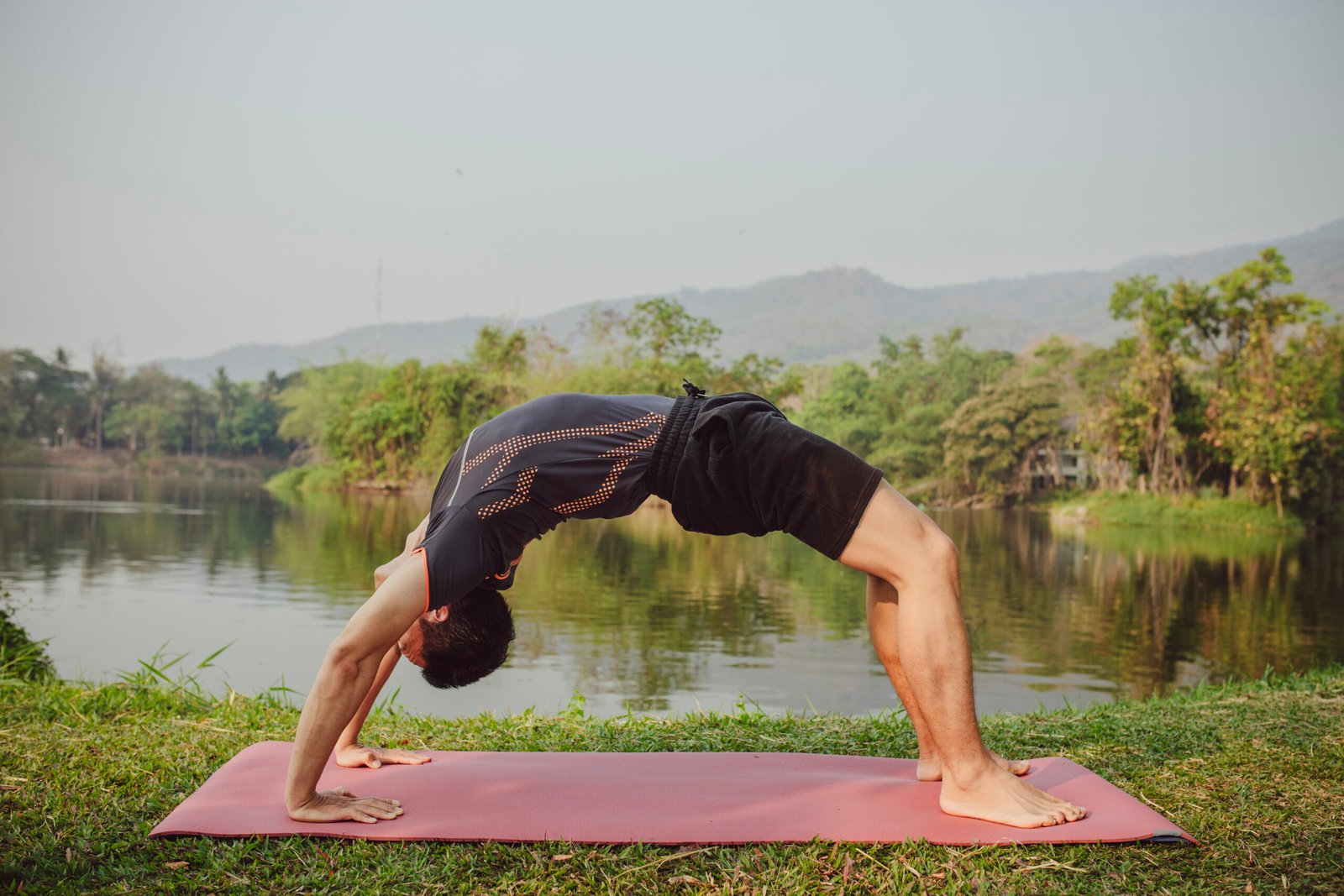
Yoga is suitable for all ages and fitness levels. Beginners should start with simple poses, focus on breathing, and practice regularly. It’s important to listen to your body and progress gradually. Joining a guided class or following a beginner-friendly routine can help build confidence.
Why Yoga Is Important in Modern Life
In today’s fast-paced world, stress, poor posture, and lifestyle disorders are common. Yoga helps counter these challenges by promoting mindfulness, relaxation, and physical health. Just a few minutes of daily yoga can significantly improve quality of life.
Conclusion
Yoga is not just exercise—it is a journey toward physical health, mental clarity, and spiritual growth. Whether you practice yoga for fitness, relaxation, or inner peace, it offers a powerful path to a balanced and healthy life. Incorporating yoga into your daily routine can lead to long-lasting well-being and harmony.