



Yoga, an ancient practice rooted in Indian philosophy, has become a global phenomenon, celebrated for its holistic approach to health and well-being. Combining physical postures (asanas), breathing techniques (pranayama), and meditation, yoga offers a wealth of benefits that enhance physical, mental, and emotional health. In this blog post, we’ll explore the key advantages of yoga, supported by scientific insights and practical details, to show why it’s a powerful addition to any lifestyle.
1. Enhances Physical Flexibility

Yoga is renowned for improving flexibility through poses that gently stretch muscles and connective tissues. Regular practice lengthens tight muscles, increases joint mobility, and reduces stiffness.
Details: Styles like Yin and Hatha yoga emphasize deep stretching. A 2016 study in the International Journal of Yoga found that 10 weeks of yoga significantly improved flexibility in participants compared to a control group.
Who Benefits: Ideal for those with sedentary lifestyles or tight muscles from activities like running or weightlifting.
Tip: Start with beginner poses like Child’s Pose or Cat-Cow to safely build flexibility.
2. Builds Strength and Improves Posture
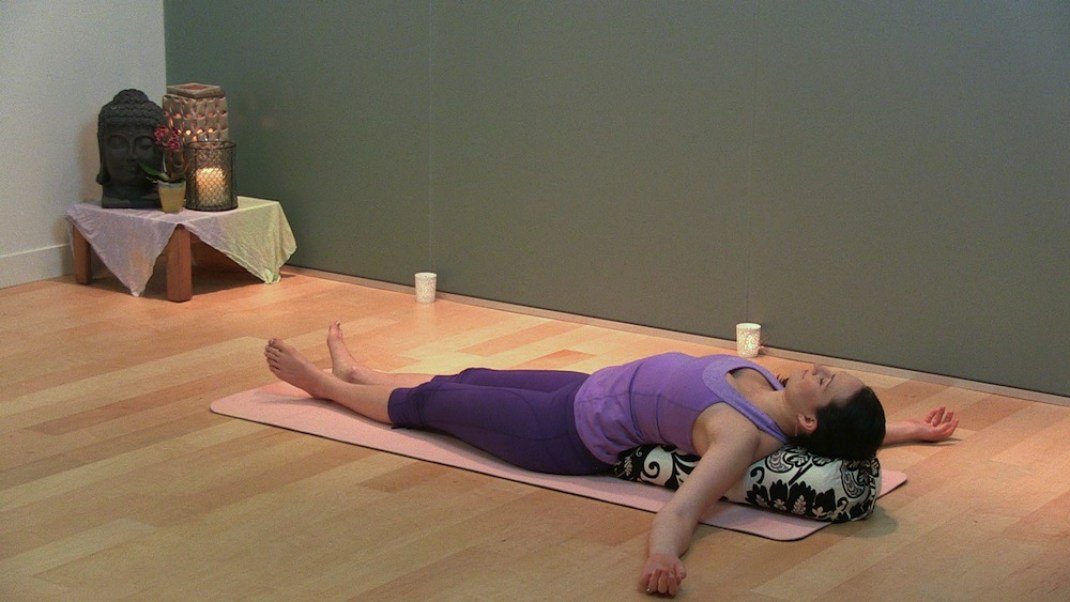
Yoga strengthens muscles through bodyweight resistance in poses like Plank, Warrior, and Chair, while promoting spinal alignment for better posture.
Details: Ashtanga and Vinyasa styles are particularly effective for strength. Research from The Journal of Strength and Conditioning Research (2015) showed yoga improves core and upper-body strength. Proper alignment in poses corrects slouching, reducing back and neck strain.
Who Benefits: Office workers, athletes, or anyone prone to poor posture.
Tip: Incorporate Iyengar yoga for precise alignment using props like blocks.
3. Reduces Stress and Promotes Relaxation

Yoga activates the parasympathetic nervous system, lowering cortisol levels and inducing a state of calm through mindful breathing and meditation.
Details: Restorative and Kundalini yoga are excellent for stress relief. A 2018 meta-analysis in Frontiers in Immunology found yoga reduces stress-related inflammation. Practices like alternate nostril breathing (Nadi Shodhana) balance the nervous system.
Who Benefits: Individuals with high-stress jobs, anxiety, or burnout.
Tip: Try a 10-minute evening Restorative yoga session to unwind.
4. Boosts Mental Clarity and Focus
Meditation and mindful movement in yoga enhance cognitive function, improving concentration and memory by calming mental chatter.
Details: A 2020 study in Brain Plasticity showed that yoga improves brain function in areas tied to attention and memory. Kundalini’s repetitive kriyas and chanting heighten awareness.
Who Benefits: Students, professionals, or anyone seeking mental sharpness.
Tip: Practice mindfulness in poses by focusing on breath to enhance focus.
5. Improves Cardiovascular Health
Dynamic yoga styles like Vinyasa and Bikram elevate heart rate, while stress reduction from yoga lowers blood pressure and cholesterol.
Details: A 2019 study in Mayo Clinic Proceedings found yoga improves heart health markers like blood pressure and lipid profiles. Flow-based classes mimic moderate cardio exercise.
Who Benefits: Those at risk of heart disease or seeking low-impact cardio.
Tip: Try Vinyasa flow classes for a heart-healthy workout.
6. Supports Pain Management
Yoga alleviates chronic pain, particularly in the lower back, arthritis, and migraines, by improving alignment, reducing tension, and increasing blood flow.
Details: A 2017 Cochrane Review confirmed yoga’s effectiveness for chronic low back pain. Iyengar and Restorative yoga are therapeutic, using props for support.
Who Benefits: People with chronic pain or recovering from injuries.
Tip: Consult a certified instructor for tailored modifications.
7. Enhances Sleep Quality
Yoga promotes relaxation and regulates the sleep-wake cycle, helping with insomnia and improving sleep duration.
Details: A 2020 study in Journal of Clinical Sleep Medicine found yoga improves sleep efficiency in people with insomnia. Poses like Legs-Up-the-Wall calm the nervous system.
Who Benefits: Those with sleep disorders or irregular schedules.
Tip: Practice a 5-minute Yoga Nidra meditation before bed.
8. Boosts Mood and Emotional Resilience
Yoga increases levels of GABA, a neurotransmitter linked to reduced anxiety and improved mood, fostering emotional balance.
Details: A 2017 study in Journal of Clinical Psychiatry showed yoga reduces depressive symptoms. Kundalini’s chanting and community classes foster connection.
Who Benefits: Those with depression, anxiety, or emotional stress.
Tip: Join a group class for added social support.
9. Supports Pregnancy and Women’s Health
Prenatal yoga strengthens the pelvic floor, eases pregnancy discomfort, and prepares the body for childbirth, while other styles support hormonal balance.
Details: A 2015 study in Complementary Therapies in Clinical Practice found prenatal yoga reduces labor pain and improves birth outcomes. Gentle Hatha aids menstrual or menopausal symptoms.
Who Benefits: Pregnant women or those with hormonal imbalances.
Tip: Seek prenatal-certified instructors for safe practice.
10. Fosters Spiritual Connection
For those seeking meaning, yoga’s meditative and philosophical roots (e.g., Patanjali’s Yoga Sutras) offer a path to self-awareness and inner peace.
Details: Kundalini and traditional Hatha incorporate mantras and mindfulness. Practitioners report greater life satisfaction and purpose.
Who Benefits: Individuals exploring spirituality or personal growth.
Tip: Explore yoga philosophy through texts or guided meditation.
Getting Started with Yoga
- Beginner Tip: Start with Hatha or Restorative classes, either in-person or online, to build confidence.
- Safety: Consult a doctor if you have medical conditions, and inform instructors of injuries.
- Accessibility: Yoga is adaptable—use props or chair yoga for limited mobility.
- Consistency: Even 10–15 minutes daily can yield benefits, per a 2021 study in Yoga Journal.