


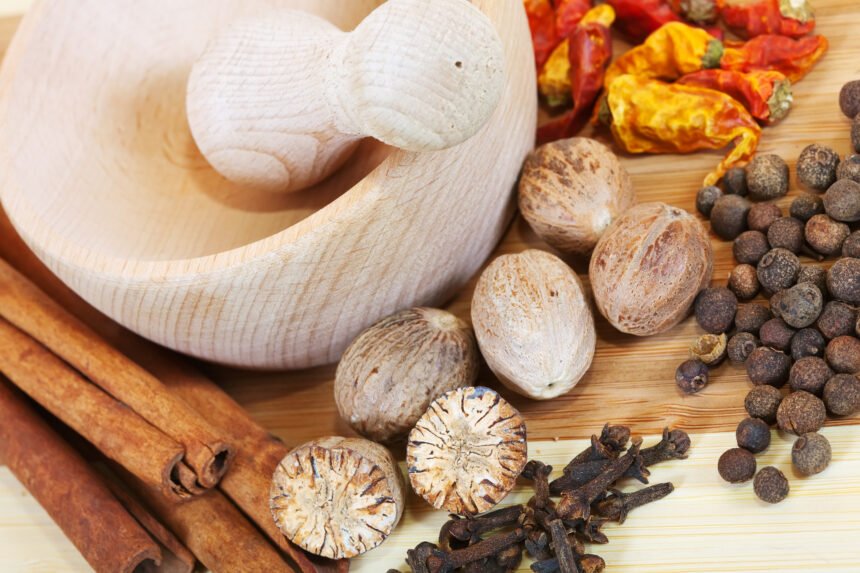
Ayurveda, the ancient science of life, uses different pharmaceutical preparations to deliver medicines effectively. Among these, Vati and Gutika are important solid dosage forms used widely in Ayurvedic treatment. These medicines are prepared from herbs, minerals, and natural binders and are known for their convenience, effectiveness, and long shelf life.
What is Vati in Ayurveda?
Vati is an Ayurvedic tablet prepared mainly from dry herbal powders (Churna). The powdered ingredients are triturated with herbal juices, decoctions, or water until a uniform mass is formed, which is then rolled into tablet form and dried.
Characteristics of Vati
- Prepared from dry herbal or mineral powders
- Small, solid tablets
- Bitter or astringent taste
- Easy to consume and store
- Suitable for long-term use
Preparation Method (Vati Kalpana)
- Collection and purification of raw drugs
- Powdering of ingredients
- Trituration with liquid media (Bhavana)
- Tablet formation
- Drying and storage
Common Vati Medicines
- Triphala Vati – Improves digestion and bowel movement
- Arogyavardhini Vati – Liver and skin disorders
- Chandraprabha Vati – Urinary and metabolic diseases
- Giloy Vati – Immunity enhancement
What is Gutika in Ayurveda?
Gutika is an Ayurvedic tablet similar to Vati but prepared using herbal juices, decoctions, sugar, jaggery, or honey as binding agents. Gutika generally has a softer texture and better taste, making it suitable for conditions where slow dissolution in the mouth is required.
Characteristics of Gutika
- Semi-solid or firm tablets
- Often round and slightly larger than Vati
- Pleasant or sweet taste
- Faster absorption
- More potent in action
Preparation Method (Gutika Kalpana)
- Preparation of herbal paste or decoction
- Mixing with powdered drugs
- Addition of sweet binding agents
- Tablet formation
- Drying or preservation
Common Gutika Medicines
- Khadiradi Gutika – Throat infection and mouth ulcers
- Lavangadi Gutika – Cough and cold
- Sudarshan Gutika – Fever
- Vyaghri Gutika – Respiratory disorders
Difference Between Vati and Gutika
| Basis | Vati | Gutika |
|---|---|---|
| Ingredients | Dry powders | Powders + liquid extracts |
| Binding agent | Water or herbal juice | Honey, jaggery, decoctions |
| Taste | Bitter | Sweet or palatable |
| Potency | Moderate | Strong |
| Absorption | Slower | Faster |
| Use | Chronic conditions | Acute conditions |
Dosage and Administration
- Vati: 1–2 tablets, 1–3 times daily with water or decoction
- Gutika: Chewed, sucked, or swallowed as advised
Dosage varies based on age, disease, and practitioner’s guidance.
Advantages of Vati and Gutika
- Convenient and easy to administer
- Accurate dosage
- Longer shelf life
- Better patient compliance
- Effective in both preventive and curative treatments
Precautions
- Should be taken only after Ayurvedic consultation
- Avoid overdose
- Pregnant women should take under supervision
- Use authentic and quality-certified products
Conclusion
Vati and Gutika are significant Ayurvedic tablet formulations that combine traditional wisdom with practical pharmaceutical methods. While Vati is ideal for long-term therapy and chronic disorders, Gutika offers quicker relief and better palatability, especially in throat and respiratory conditions. Proper selection and dosage ensure safe and effective healing through Ayurveda.