


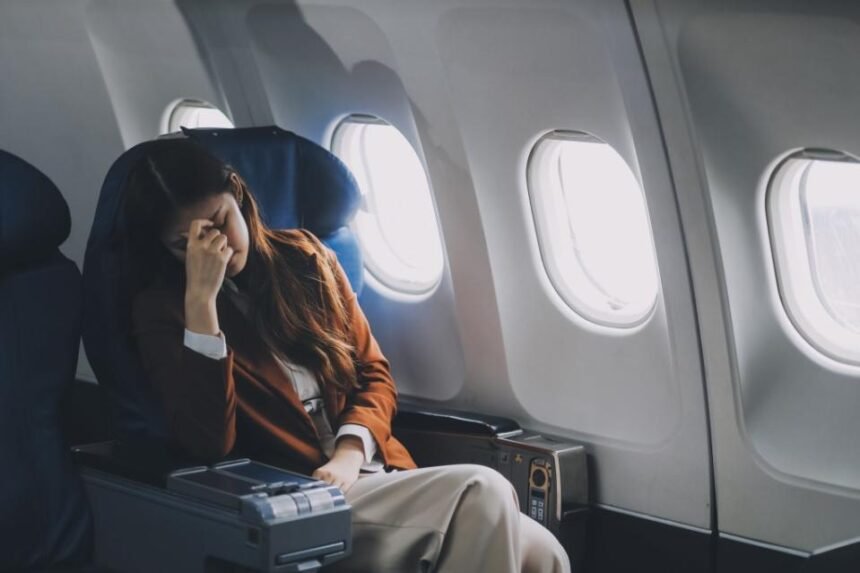
For many, the thought of boarding a plane triggers a racing heart, sweaty palms, or a sense of dread. Fear of flying, or aviophobia, affects about 40% of people to some degree, with 2.5% experiencing debilitating anxiety that disrupts travel. This fear isn’t just about crashes—it’s often rooted in claustrophobia, loss of control, or catastrophic thoughts. But you don’t have to let aviophobia ground you. Drawing on recent research, expert insights, and practical strategies, this blog explores why flying sparks anxiety and offers evidence-based ways to manage it, helping you take to the skies with confidence.
Understanding the Fear of Flying: Why It Happens
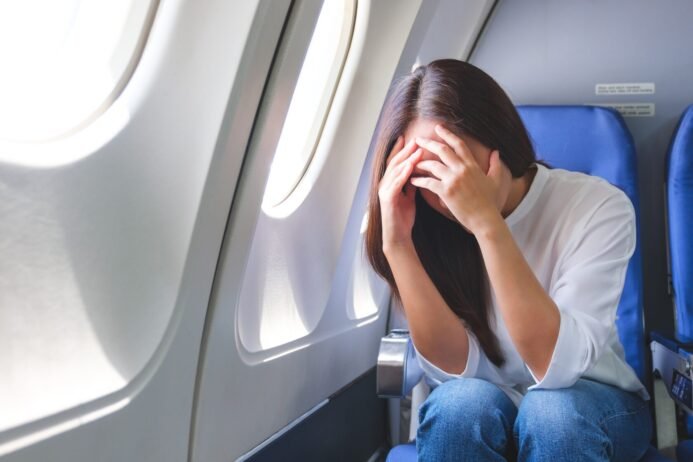

Aviophobia is a specific phobia, classified as an anxiety disorder, where the brain perceives flying as a threat, activating the fight-or-flight response. Common triggers include:
- Perceived Danger: Media coverage of rare plane crashes fuels catastrophic thinking, despite flying being statistically safer than driving (crash risk: 1 in 11 million vs. 1 in 5,000 for cars).
- Loss of Control: Being unable to influence the plane’s operation heightens anxiety, especially for those who dislike uncertainty.
- Claustrophobia and Sensory Overload: Confined spaces, turbulence, or engine noises can overwhelm, particularly for those with sensory sensitivities (e.g., autism or ADHD).
- Past Trauma: Negative experiences, like severe turbulence or general anxiety disorders, amplify fears.
Physiologically, anxiety triggers the amygdala, flooding the body with cortisol, leading to symptoms like rapid heartbeat, sweating, or panic attacks. Women report higher rates of aviophobia (potentially due to hormonal influences), and it’s more common in younger adults.
The Impact: How Fear of Flying Affects You
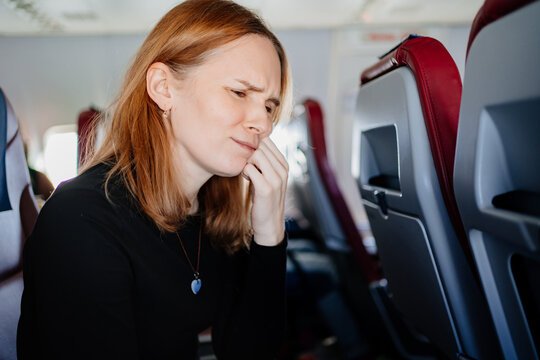
Aviophobia can disrupt personal and professional life:
- Avoidance Behavior: Skipping trips, missing family events, or declining work opportunities.
- Physical Symptoms: Panic attacks, nausea, or dizziness during flights, sometimes leading to health issues like elevated blood pressure.
- Mental Health Strain: Increased anxiety, shame, or depression from feeling limited, with 20% of sufferers reporting secondary mental health impacts.
- Social Isolation: Strained relationships when avoiding travel with loved ones.
The good news? It’s highly treatable, with success rates up to 90% for targeted interventions.
Research and Expert Insights: What Works
Recent studies and experts offer a clear picture of effective strategies:
- Cognitive Behavioral Therapy (CBT): A 2023 Journal of Anxiety Disorders study found CBT reduced aviophobia symptoms by 60-80% in 8-12 weeks, teaching skills to challenge catastrophic thoughts (e.g., “turbulence means we’re crashing”). Dr. Martin Seif, a clinical psychologist, emphasizes CBT’s focus on reframing fears as manageable.
- Exposure Therapy: Gradual exposure—starting with flight simulations or airport visits—desensitizes the brain. A 2024 meta-analysis showed virtual reality (VR) exposure therapy cut symptoms by 70% in 6 sessions. Programs like SOAR, led by pilot Capt. Tom Bunn, use this approach effectively.
- Education and Facts: Understanding aviation safety reduces fear. For instance, turbulence is normal and planes are built to withstand it. A 2025 Aviation Psychology study found that learning about flight mechanics lowered anxiety by 40%.
- Mindfulness and Relaxation: Techniques like diaphragmatic breathing or progressive muscle relaxation calm the nervous system. A 2023 study showed mindfulness-based interventions reduced in-flight anxiety by 35%. Apps like Headspace offer guided exercises.
- Medication: For severe cases, short-term anti-anxiety meds (e.g., benzodiazepines) can help, though they’re not a long-term fix. Consult a doctor, as side effects exist.
Practical Strategies to Lower Your Fear
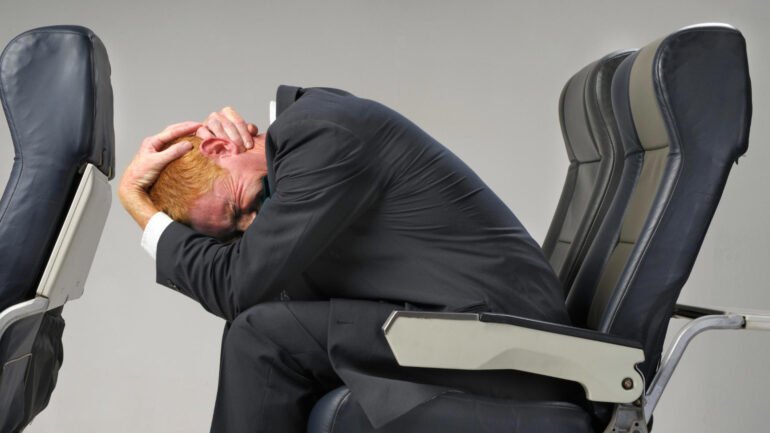
Here’s a step-by-step guide to manage aviophobia, grounded in expert advice:
- Before the Flight:
- Educate Yourself: Learn aviation basics—e.g., planes undergo rigorous maintenance, and turbulence is like bumps on a road. Watch pilot-led videos or read Cockpit Confidential by Patrick Smith.
- Practice Visualization: Imagine a smooth flight. Use apps like Fear of Flying Help for guided imagery.
- Plan Ahead: Choose a seat (aisle for claustrophobia, front for less turbulence). Arrive early to avoid rush stress.
- During the Flight:
- Breathe Deeply: Try 4-7-8 breathing (inhale 4 seconds, hold 7, exhale 8) to calm your nervous system.
- Distract Yourself: Watch a sitcom, listen to music, or play a game. Familiar media reduces anxiety, per a 2023 study.
- Engage with Crew: Chat with flight attendants; their calm demeanor reassures. Ask about noises if curious.
- Grounding Techniques: Focus on sensory details (e.g., feel of the seat, taste of a mint) to stay present.
- Long-Term Strategies:
- Seek Therapy: CBT or VR exposure therapy offers lasting relief. Online platforms like BetterHelp connect you to specialists.
- Join Programs: Courses like SOAR or FearlessFlyer combine education and exposure, with 90% success rates.
- Build Resilience: Regular exercise (e.g., 7,000 steps daily) reduces baseline anxiety, per 2024 research.
When to Seek Professional Help
If fear prevents travel or causes severe distress (e.g., panic attacks, sleep loss), consult a therapist specializing in phobias. Signs include persistent avoidance or physical symptoms like heart palpitations. Resources like the Anxiety and Depression Association of America can guide you.
Conclusion: Soaring Above Fear
Fear of flying is common but manageable. Research shows that understanding aviation safety, practicing mindfulness, and pursuing therapies like CBT or VR exposure can reduce anxiety by up to 80%. Start small—learn one fact, try one breathing exercise, or take one short flight. With tools and support, you can reclaim the skies. Resources like SOAR or ADAA are great starting points. What’s your biggest flying fear, and what’s one step you’ll take to tackle it? Share below and let’s fly toward freedom together!