


Ayurveda uses minerals and plant-based salts along with herbal formulations to correct deep-rooted imbalances in the body. Lavan (medicated salts) and Kshar (alkaline preparations) are two such powerful Ayurvedic dosage forms, primarily known for their action on digestion, metabolism, urinary system, and detoxification. Due to their sharp and penetrating properties, they are used carefully under expert guidance.
What Is Lavan in Ayurveda?
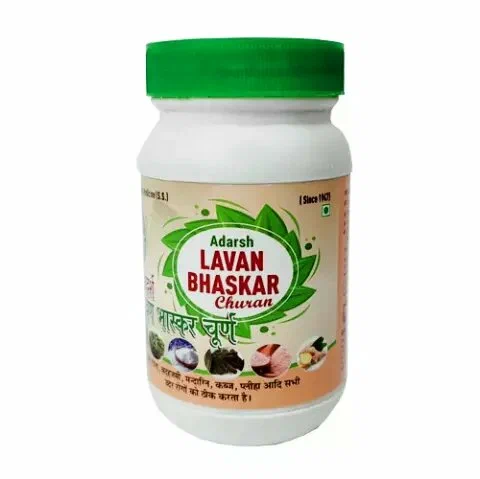
Lavan refers to medicinal salts processed with herbs and minerals to enhance their therapeutic value. Unlike common salt, Ayurvedic Lavans are used for digestive stimulation, detoxification, and balancing Vata and Kapha doshas.
Key Features of Lavan:
- Mineral-based formulation
- Sharp (Tikshna) and penetrating action
- Improves digestion and absorption
- Used in small doses
Common Types of Lavan:
- Saindhava Lavan (Rock salt)
- Samudra Lavan (Sea salt)
- Vida Lavan
- Sauvarchala Lavan
- Hingulaka Lavan
What Is Kshar in Ayurveda?
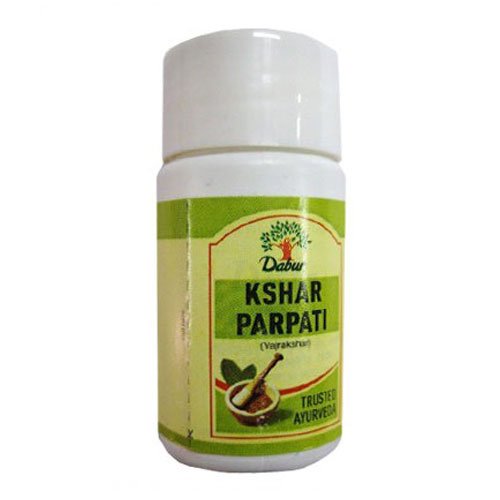
Kshar is an alkaline Ayurvedic formulation prepared from plant ashes. It possesses scraping (Lekhana), dissolving, and cleansing properties, making it highly effective in disorders involving blockages, stones, and abnormal tissue growth.
Key Features of Kshar:
- Strong alkaline nature
- Highly potent and fast-acting
- Used internally and externally
- Requires precise dosage
Importance of Lavan & Kshar in Classical Ayurveda
Lavan and Kshar are described in ancient texts such as:
- Charaka Samhita
- Sushruta Samhita
- Ashtanga Hridaya
Preparation Method (Traditional Process)
Preparation of Lavan
- Selection of raw salt
- Processing with herbal juices or decoctions
- Drying and purification
- Fine powder formation
Preparation of Kshar
- Collection of medicinal plant parts
- Drying and burning to ash
- Dissolving ash in water
- Filtration and evaporation
- Collection of alkaline residue
Common Lavan & Kshar Formulations and Uses
Popular Lavan Formulations
Hingwashtak Lavan
- Improves digestion
- Relieves gas and bloating
Panchakola Lavan
- Stimulates digestive fire
- Reduces Ama (toxins)
Shadlavana
- Useful in abdominal disorders
- Improves appetite
Popular Kshar Formulations
Yavakshar
- Useful in urinary stones
- Helps in bloating and gas
Apamarga Kshar
- Used in piles and fistula
- Supports detoxification
Palasha Kshar
- Helpful in urinary disorders
- Improves kidney function
Health Benefits of Lavan & Kshar
Improves Digestion
Stimulates Agni and enhances nutrient absorption.
Reduces Blockages
Kshar dissolves obstructions and excess Kapha.
Supports Urinary Health
Helps manage stones, burning urination, and retention.
Detoxification
Scrapes toxins and abnormal tissue buildup.
Manages Anorectal Disorders
Effective in piles, fistula, and hemorrhoids (under supervision).
Dosage & Administration
- Lavan: 250 mg – 1 gram
- Kshar: 125 mg – 500 mg
- Taken with warm water, buttermilk, or ghee
- Strictly as prescribed by an Ayurvedic physician
Precautions & Side Effects
- Not suitable for long-term unsupervised use
- Avoid in pregnancy and severe Pitta conditions
- Overdose may cause acidity or irritation
- Use cautiously in hypertension and ulcers
Difference Between Lavan and Kshar
| Aspect | Lavan | Kshar |
|---|---|---|
| Nature | Salty | Alkaline |
| Source | Mineral salts | Plant ashes |
| Potency | Moderate | Very strong |
| Main Action | Digestive stimulant | Scraping & dissolving |
| Usage | Internal | Internal & external |
Why Lavan & Kshar Are Still Relevant Today
- Effective for digestive and metabolic disorders
- Natural alternative to chemical alkalizers
- Important in Ayurvedic surgical procedures
- Useful in lifestyle-related diseases
Conclusion
Lavan and Kshar Ayurvedic medicines are powerful formulations that play a crucial role in correcting digestive, metabolic, and obstructive disorders. Their sharp and penetrating properties make them highly effective, but they must be used with precision and professional guidance. When prescribed correctly, Lavan and Kshar offer remarkable therapeutic benefits in Ayurveda.